ROG.e 2026: CoreMarine CEO says execution is becoming Brazil's next offshore challenge
Key highlights:
-
Brazil's offshore market is evolving from resource access to execution, with operators placing greater emphasis on local capabilities, project delivery and operational efficiency.
-
CoreMarine CEO Ben Fitzgerald expects Brazil and Southeast Asia to generate the strongest growth in SURF and subsea construction activity over the next three to five years.
-
Demand for digital technologies, deepwater mooring systems and riser monitoring solutions is growing as operators seek greater visibility, predictability and asset performance in increasingly complex offshore projects.
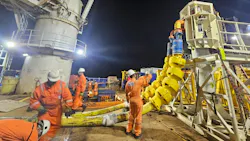
Last week CoreMarine reported that it has acquired Brazilian offshore services company BravOcean, expanding its presence in one of the world's busiest subsea energy markets. The deal broadens CoreMarine's local capabilities in subsea installation support, project management and specialist personnel services for deepwater SURF developments.
During this week's ROG.e event in Rio de Janeiro, Offshore spoke with CoreMarine CEO Ben Fitzgerald about the trends shaping Brazil's offshore sector. He said operators are placing greater emphasis on local execution capabilities, digitalization and integrated project delivery as offshore developments grow in scale and complexity.
"Brazil is already a major offshore market, but we believe the opportunity is increasingly about not just doing more projects, but doing them more efficiently, more reliably and with better technology behind them," he said.
Brazil remains a global deepwater growth engine

Looking ahead, Fitzgerald expects Brazil and Southeast Asia to generate the biggest increase in SURF and subsea construction activity over the next three to five years, driven by major deepwater developments and expanding offshore investment.
"The strongest growth is in Southeast Asia and Brazil over the next three to five years as these regions lead the global surge in deepwater energy developments," he added.
At the same time, he said digital technologies are becoming increasingly important for improving project visibility, reliability and asset performance throughout the life cycle of offshore developments.
Fitzgerald said several interconnected trends are reshaping Brazil's subsea market:
-
Sustained deepwater investment: Presalt developments continue to support a robust offshore project pipeline.
-
Growing importance of local presence: Operators increasingly favor partners with personnel and capabilities based in Brazil.
-
Rising project complexity: Developers are seeking greater efficiency, reliability and execution certainty.
-
Greater adoption of digital tools: Technologies are playing a larger role in monitoring assets and supporting decisions.
-
Integration of technology and execution: Competitive advantage increasingly comes from combining engineering, offshore execution and data-driven insights.
Local presence becoming increasingly important
Fitzgerald also said the acquisition brings together BravOcean's local market knowledge and offshore project experience with CoreMarine's global engineering expertise and operational technology capabilities.
He added that the opportunity in Brazil is no longer simply about developing more offshore projects, but about executing those projects more efficiently, reliably and intelligently.
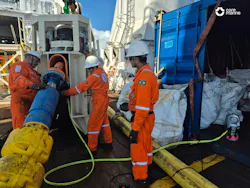
Fitzgerald said local capabilities are increasingly essential for success in Brazil's offshore market, where operators expect contractors to pair global technical expertise with a meaningful presence in-country. He noted that local engineering, project management and supply chain relationships help improve collaboration, accelerate decision-making and support more efficient project execution.
"Local capability is absolutely critical," he said. "Clients increasingly expect partners to combine global experience with a genuine local presence."
Project complexity creates new execution challenges
Fitzgerald said the challenges facing offshore operators are shifting from resource access to project execution. As Brazil's offshore developments grow in scale and complexity, he said operators must balance demanding engineering requirements, deepwater installation risks, vessel availability, supply chain pressures and local-content obligations while maintaining project schedules.
"The challenges are becoming less about access to reserves and more about delivering increasingly complex projects efficiently," he added.
He also stressed the importance of aligning onshore engineering with offshore operations. According to Fitzgerald, projects tend to be most successful when design, installation planning and execution teams work in close coordination from the outset, helping reduce construction challenges and improve overall project delivery.
Digitalization shifts from data collection to decision support
Fitzgerald said operators are placing greater emphasis on visibility, predictability and accountability throughout project execution, driving demand for technologies that improve decision-making and reduce operational risk. Rather than simply collecting data, companies are increasingly focused on converting information into actionable insights that support both project delivery and long-term asset performance.
He noted growing interest in digital ecosystems that connect offshore operations, engineering teams and asset owners through technologies such as sensors, monitoring systems and digital twins, providing real-time visibility into asset condition, project progress and operational performance.
"Operators increasingly expect greater visibility, predictability and accountability throughout project execution," he added.
Future demand extends beyond installation
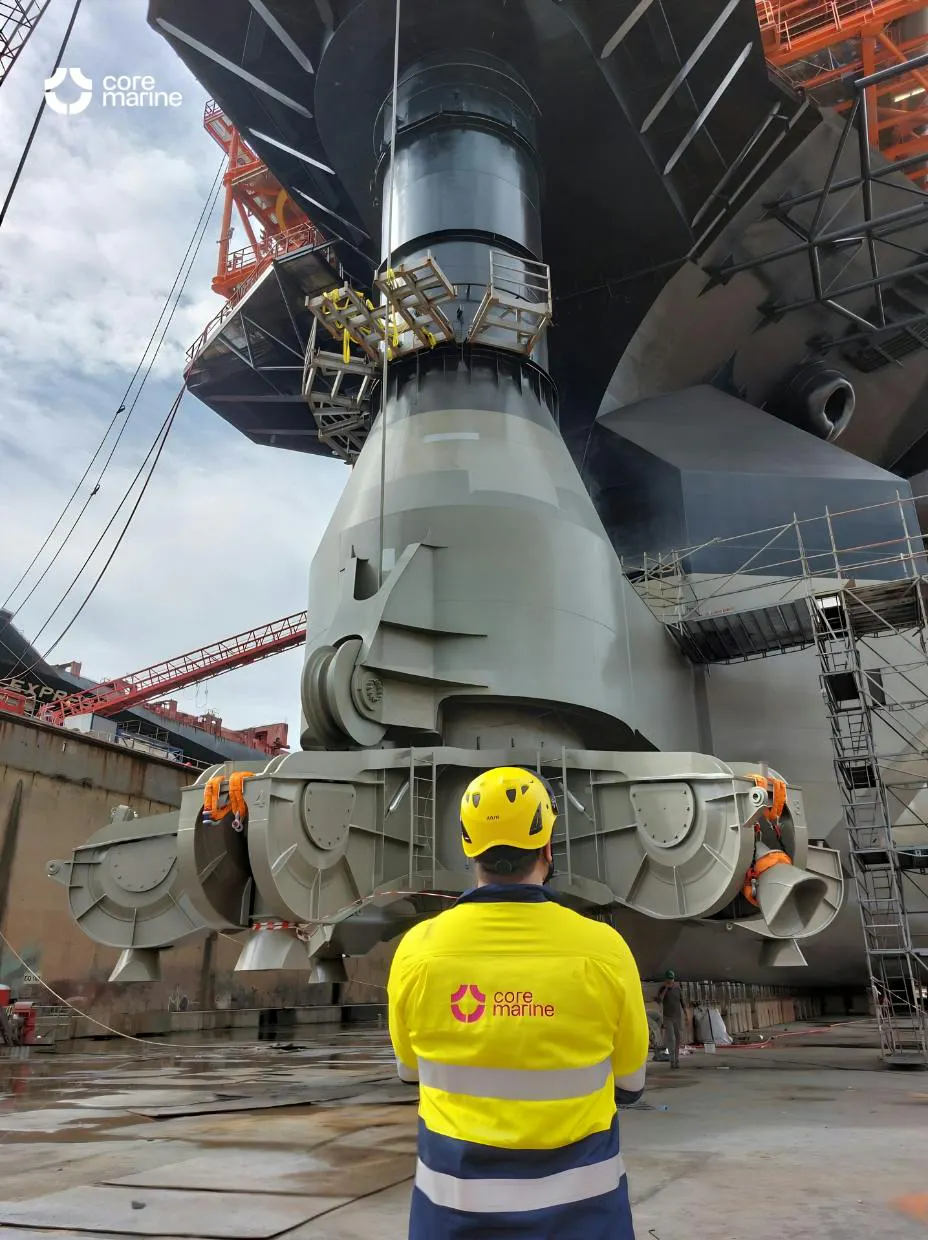
Looking ahead, Fitzgerald expects continued demand for specialized deepwater mooring systems, riser monitoring technologies and other digital solutions designed to support asset integrity and operational performance in ultradeepwater environments.
"Technology is most valuable when it enables safer, more efficient and more predictable offshore execution," he said.
He also highlighted shifts in Brazil's contracting landscape, with operators showing increasing interest in collaborative delivery and risk-sharing models that better align contractor and client objectives. At the same time, extended lead times for critical equipment and offshore assets are making early project planning and engagement increasingly important.
Fitzgerald added that decommissioning is emerging as a significant long-term opportunity in Brazil as earlier offshore developments mature, creating demand for cost-effective end-of-life strategies similar to those seen in more established offshore regions.
ROG.e 2026:
Offshore is an official media partner of ROG.e 2026 (formerly Rio Oil & Gas).
For more information on the topic discussed in this article, visit CoreMarine in the Norwegian Pavilion, Hall 4 at booth X52 at the event this week, Sept. 21-24.
Related content:
ROG.e 2026: TGS CEO discusses the prospects and challenges facing Brazil's frontier basins
ROG.e 2026: Remote subsea inspections move from pilot projects to operational reality
About the Author
 Ariana Hurtado
Ariana Hurtado
Editor-in-Chief
With more than a decade of copy editing, project management and journalism experience, Ariana Hurtado is a seasoned managing editor born and raised in the energy capital of the world—Houston, Texas. She currently serves as editor-in-chief of Offshore, overseeing the editorial team, its content and the brand's growth from a digital perspective.
Utilizing her editorial expertise, she manages digital media for the Offshore team. She also helps create and oversee new special industry reports and revolutionizes existing supplements, while also contributing content to Offshore's magazine, newsletters and website as a copy editor and writer.
Prior to her current role, she served as Offshore's editor and director of special reports from April 2022 to December 2024. Before joining Offshore, she served as senior managing editor of publications with Hart Energy. Prior to her nearly nine years with Hart, she worked on the copy desk as a news editor at the Houston Chronicle.
She graduated magna cum laude with a bachelor's degree in journalism from the University of Houston.