ROG.e 2026: Subsea infrastructure enters new growth phase, says JDR Deputy CEO
Key highlights:
-
Offshore electrification, deepwater development and offshore wind are driving a new wave of subsea cable demand.
-
Supply chain capacity must be built before demand peaks.
-
Floating wind's challenge is no longer proving the technology, but scaling it commercially.
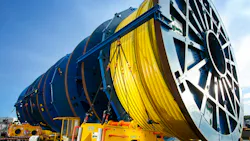
Global demand for subsea infrastructure is being driven by deepwater oil and gas developments, offshore electrification initiatives and offshore wind expansion. However, future growth will depend on whether the supply chain can expand capacity quickly enough and help floating wind projects transition from demonstration phases to commercial-scale deployment.
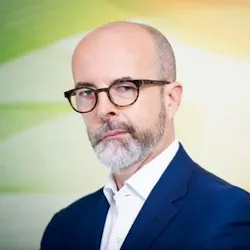
Those were among the sentiments shared with Offshore by JDR Cable Systems Deputy CEO Jonathan Knott during this week's ROG.e event in Rio de Janeiro, Brazil.
Offshore supply chain challenges
The main challenge is ensuring manufacturing capacity, skilled labor and specialist installation resources are available before project demand peaks.
Knott argues that capacity investments must be made years in advance, supported by stronger project visibility and earlier coordination between operators and suppliers.
"Manufacturing capacity cannot be added overnight, so investment has to be committed well before the projects it will ultimately support reach execution," he said. "If those decisions come too late, capacity can become a constraint when multiple projects are competing for the same parts of the supply chain."
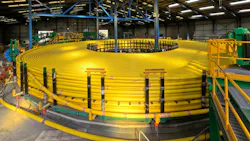
Biggest drivers of subsea cable demand
Knott said demand for subsea infrastructure is being driven by three converging trends:
- Larger offshore wind projects;
- Continued deepwater oil and gas investment; and
- Growing offshore electrification efforts.
Together, these trends are increasing demand for higher-capacity cable systems and more advanced subsea infrastructure.
"Offshore wind remains a major one as turbines become larger and projects require higher-capacity cable systems to transmit increasing amounts of power," he added. "Electrification is another driver."
While much of the industry's attention is focused on offshore wind, Knott noted that deepwater oil and gas developments remain a significant source of demand for subsea infrastructure.
Electrification and offshore cable requirements
Electrification is becoming a practical pathway for operators seeking to reduce offshore emissions. As more facilities rely on power supplied from shore, cable systems must deliver higher transmission capacity while maintaining long-term reliability for critical offshore operations.
"This is one of the most practical aspects of the energy transition," he said. "Electrification gives operators a tangible way to address operational emissions while continuing to meet current energy needs."
Brazilian deepwater developments
The success of Brazil's next generation of deepwater projects will depend heavily on early collaboration between operators and suppliers, Knott said. He also emphasized the importance of local expertise, project planning and technical support capabilities to deliver increasingly complex subsea developments.
"For the next wave of Brazilian deepwater development, project execution will be critical," he said. "Brazil already has considerable offshore expertise, and that becomes increasingly valuable as deepwater developments move forward."
Scaling floating offshore wind
According to Knott, floating wind has already proven its technical viability. The industry's next challenge is industrialization: reducing costs, improving supply-chain coordination and applying lessons learned from decades of offshore oil and gas operations to commercial-scale floating wind projects.
"We know floating wind can work. The next stage is making projects more efficient and cost-effective to deliver as the industry moves from a handful of turbines to full-scale developments," he added. "Scaling floating wind is ultimately a question of industrialization."
Future of subsea cable systems
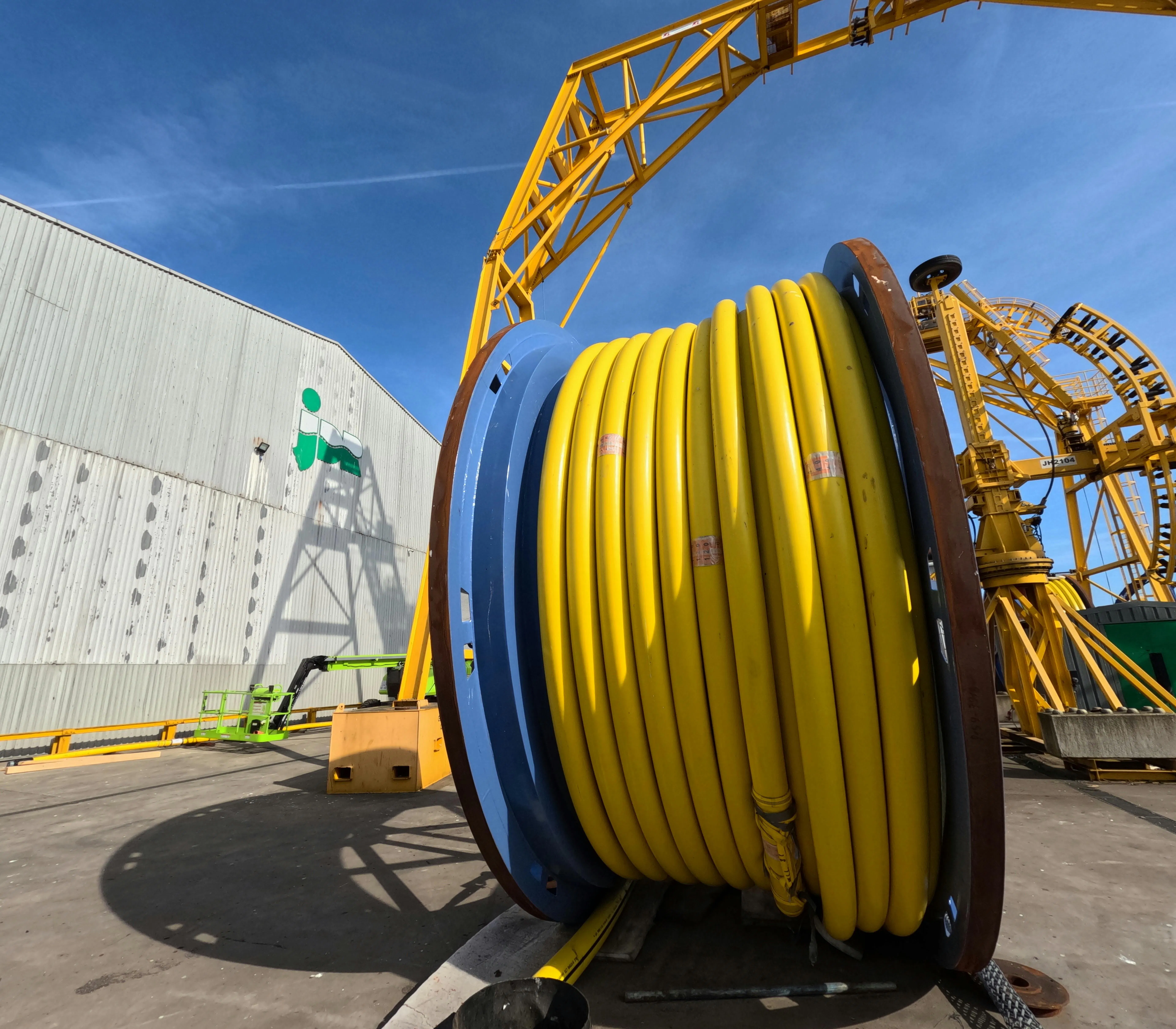
"One of the most important shifts will be towards higher-capacity cable systems as offshore projects place greater demands on subsea infrastructure," he said.
He also expects technical advances to be accompanied by greater emphasis on repeatable engineering, qualification programs and large-scale deployment capabilities.
"Cable technology can sometimes sit behind the asset itself in conversations about offshore innovation, but it is fundamental to how efficiently energy is collected and transmitted," he added.
ROG.e 2026:
Offshore is an official media partner of ROG.e 2026 (formerly Rio Oil & Gas), which is taking place this week, Sept. 21-24.
For more information on the topics addressed in this article, you can reach out to JDR's team members that will be present at the event:
- Jonathan Knott, Deputy CEO
- Alex Grosso, Operations Manager, Brazil
- Jairo de Samaniego, Sales Manager
Related content:
ROG.e 2026: TGS CEO discusses the prospects and challenges facing Brazil's frontier basins
ROG.e 2026: Remote subsea inspections move from pilot projects to operational reality
ROG.e 2026: CoreMarine CEO says execution is becoming Brazil's next offshore challenge
About the Author
 Ariana Hurtado
Ariana Hurtado
Editor-in-Chief
With more than a decade of copy editing, project management and journalism experience, Ariana Hurtado is a seasoned managing editor born and raised in the energy capital of the world—Houston, Texas. She currently serves as editor-in-chief of Offshore, overseeing the editorial team, its content and the brand's growth from a digital perspective.
Utilizing her editorial expertise, she manages digital media for the Offshore team. She also helps create and oversee new special industry reports and revolutionizes existing supplements, while also contributing content to Offshore's magazine, newsletters and website as a copy editor and writer.
Prior to her current role, she served as Offshore's editor and director of special reports from April 2022 to December 2024. Before joining Offshore, she served as senior managing editor of publications with Hart Energy. Prior to her nearly nine years with Hart, she worked on the copy desk as a news editor at the Houston Chronicle.
She graduated magna cum laude with a bachelor's degree in journalism from the University of Houston.