Mooring integrity requires life-cycle thinking as deepwater projects grow more complex
Key highlights:
-
Deepwater projects are placing mooring systems in increasingly complex operating environments, making inspection, maintenance and repair planning more critical.
-
Operators are shifting from periodic inspections toward risk-based integrity management programs that incorporate monitoring, digital modeling and life-extension assessments.
By Ariana Hurtado, Editor-in-Chief
Operators are placing greater emphasis on managing mooring systems throughout an asset's entire life cycle, from concept design and installation through inspection, repair, life extension, and eventual decommissioning.
According to Kent Longridge, senior principal engineer at Intermoor, the industry's biggest challenge is not the emergence of new failure mechanisms, but the need to manage known risks under increasingly demanding conditions. The discussion comes as operators pursue increasingly complex deepwater developments while extending the operating lives of existing floating production assets.
"The industry is not facing an entirely new set of failure mechanisms," Longridge told Offshore. "It is facing a need to manage known mechanisms more deliberately over longer service lives, in more demanding environments, and with less tolerance for unplanned intervention."
Deepwater developments raise the stakes
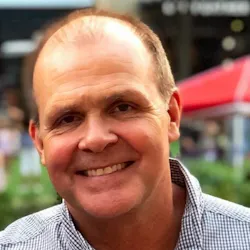
The risks affecting mooring systems today remain familiar, including fatigue, corrosion, wear, abrasion, installation damage, material defects, excessive loading and external impacts. However, deepwater developments often introduce longer mooring lines, additional system components and more complex dynamic behavior, while making inspection and replacement activities more difficult once assets are in service.
Rather than viewing mooring integrity through a generic lens, Longridge advocates for a site-specific approach.
"It is more useful to talk about site-specific risk rather than generic mooring risk," he said. A system operating in a corrosion-prone basin may require a different integrity strategy than one exposed to strong currents, soft seabed conditions or persistent extreme weather.
From periodic inspections to risk-based management
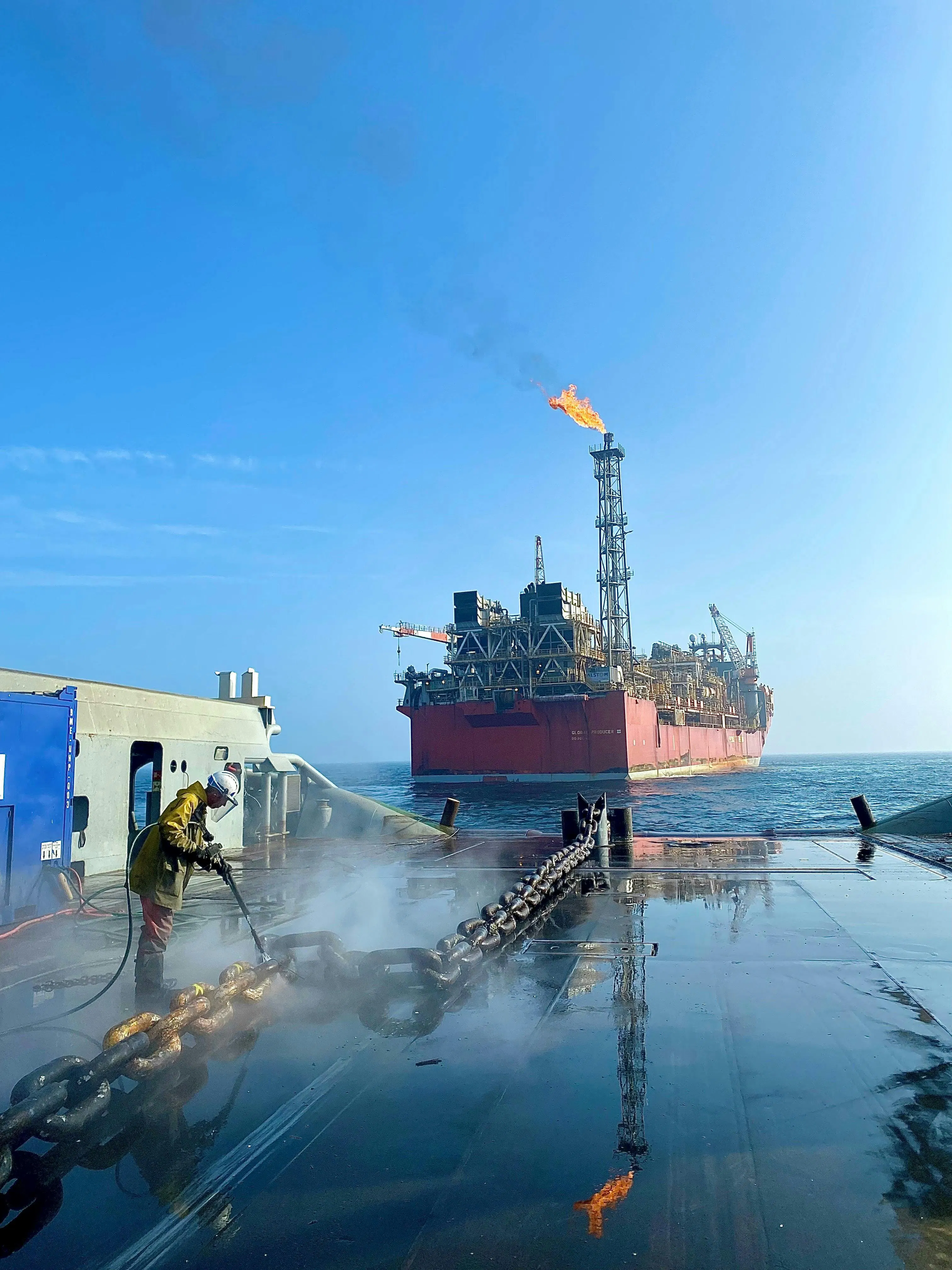
A key challenge for operators is maintaining integrity with incomplete information. Many critical mooring components are difficult to inspect because they are submerged deep below the surface, located in splash-zone environments or hidden within fairleads. Degradation can continue between inspection campaigns, making it difficult to fully understand asset condition at any given time.
"The main challenge is that mooring integrity has to be managed with imperfect information," Longridge said.
As a result, industry practices are evolving away from treating inspections as periodic compliance exercises and toward broader risk-based integrity management programs. Inspection findings are increasingly being integrated with engineering assessments, monitoring data and remaining-life evaluations to support informed decisions on repair, replacement and life extension.
Longridge said technologies such as photogrammetry, advanced subsea measurement tools and digital twins are helping operators better understand how mooring systems perform over time. However, he cautioned against viewing technology as a substitute for engineering expertise.
"Digital twins and monitoring should not be treated as substitutes for engineering judgment or physical inspection," he said. "A dashboard is only useful if it helps an operator understand whether a condition is normal, changing or becoming a risk that needs action."
A proactive approach to repairs and life extension
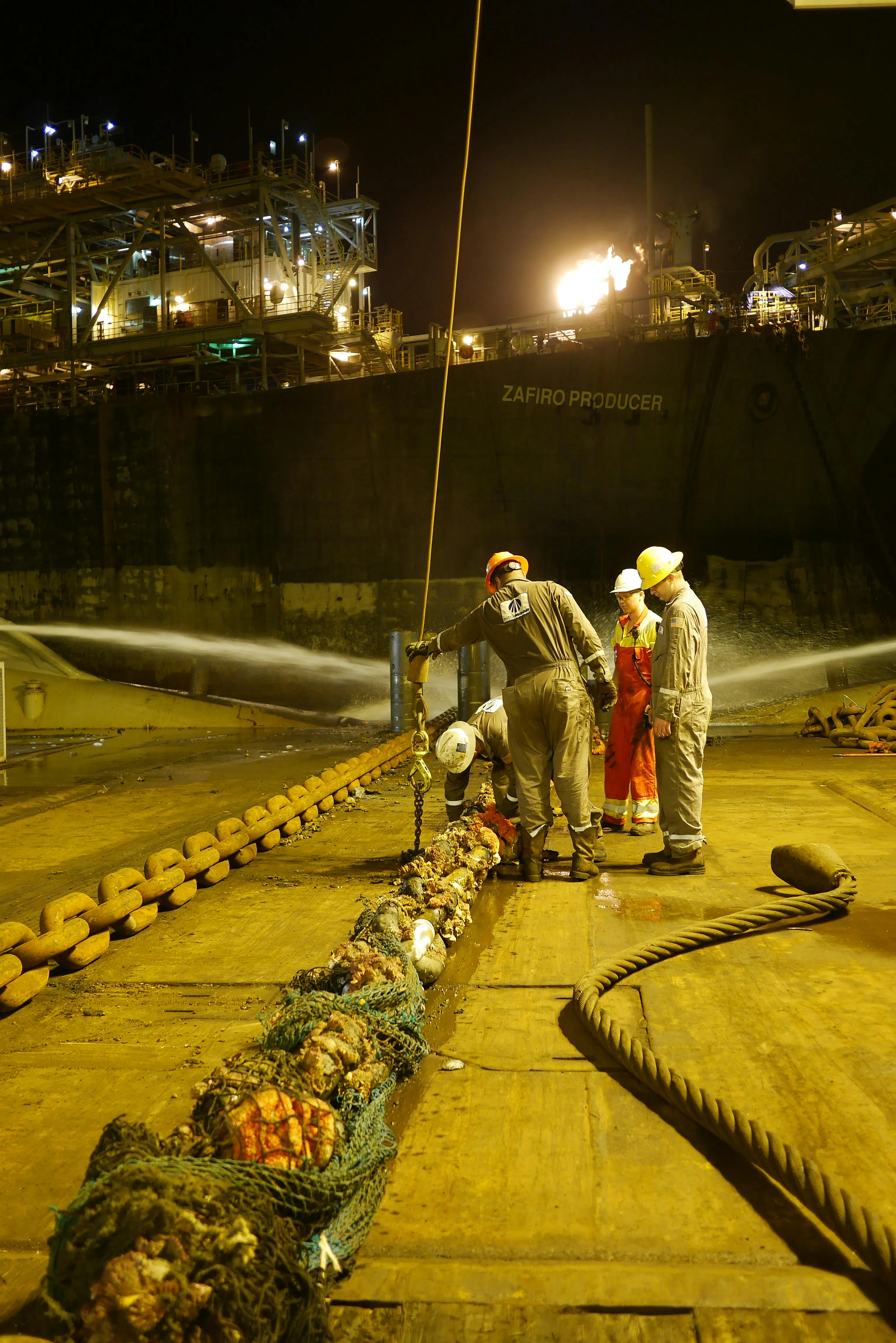
He also emphasized the importance of planning for intervention before problems occur.
"A mooring repair plan should be a plan, not a reaction," Longridge said, noting that operators should identify likely failure scenarios, equipment requirements, vessel needs and response options well before a component reaches a critical condition.
Advance planning can help operators reduce vessel mobilization delays, equipment shortages and offshore execution risk during an integrity event.
Managing moorings as long-life infrastructure
Many of the most important integrity decisions, however, are made long before an asset reaches production. According to Longridge, choices made during concept selection and FEED can significantly influence future inspection accessibility, maintenance requirements, replacement options and life-cycle costs.
"The better long-term design life approach is to treat concept and FEED as the point where design intent, offshore execution and long-term integrity management are aligned," he said.
Three takeaways for offshore operators:
- Manage mooring integrity based on site-specific risk.
- Build inspection and repair planning into the asset life cycle.
- Use monitoring and digital tools to support—not replace—engineering judgment.
Looking ahead, Longridge believes the greatest advances will come from integrating inspection, monitoring, engineering analysis, data management and response planning into a unified integrity strategy rather than relying on any single technology.
Risk-based programs that prioritize the components and degradation mechanisms posing the greatest threat to an asset will be increasingly important as offshore facilities operate longer and in more challenging environments.
"The biggest improvements are likely to come from better integration rather than from any single technology," Longridge said. "Mooring systems should be managed as long-life offshore infrastructure."
For operators pursuing deepwater and harsh-environment developments, that life-cycle perspective may prove critical to maintaining safety, reliability and operational continuity over decades of offshore service.
"The most reliable systems will be those where life-cycle risk is considered from the beginning and managed continuously through inspection, analysis, maintenance, repair planning, life extension and decommissioning," Longridge concluded.
Related content:
 mooring
 greater_tortue_ahmeyim_fpso
 Mooring Line Failures
 Dnv Floating Offshore Wind Figure 1
About the Author
 Ariana Hurtado
Ariana Hurtado
Editor-in-Chief
With more than a decade of copy editing, project management and journalism experience, Ariana Hurtado is a seasoned managing editor born and raised in the energy capital of the world—Houston, Texas. She currently serves as editor-in-chief of Offshore, overseeing the editorial team, its content and the brand's growth from a digital perspective.
Utilizing her editorial expertise, she manages digital media for the Offshore team. She also helps create and oversee new special industry reports and revolutionizes existing supplements, while also contributing content to Offshore's magazine, newsletters and website as a copy editor and writer.
Prior to her current role, she served as Offshore's editor and director of special reports from April 2022 to December 2024. Before joining Offshore, she served as senior managing editor of publications with Hart Energy. Prior to her nearly nine years with Hart, she worked on the copy desk as a news editor at the Houston Chronicle.
She graduated magna cum laude with a bachelor's degree in journalism from the University of Houston.