Offshore wind activity expands as projects advance construction, certification and new technologies
Installation campaigns, logistics milestones, environmental programs and certification approvals are advancing offshore wind development across Europe and the US, as projects progress through construction while new technologies and partnerships support future deployment.
Inch Cape monopile campaign completed as installation moves forward
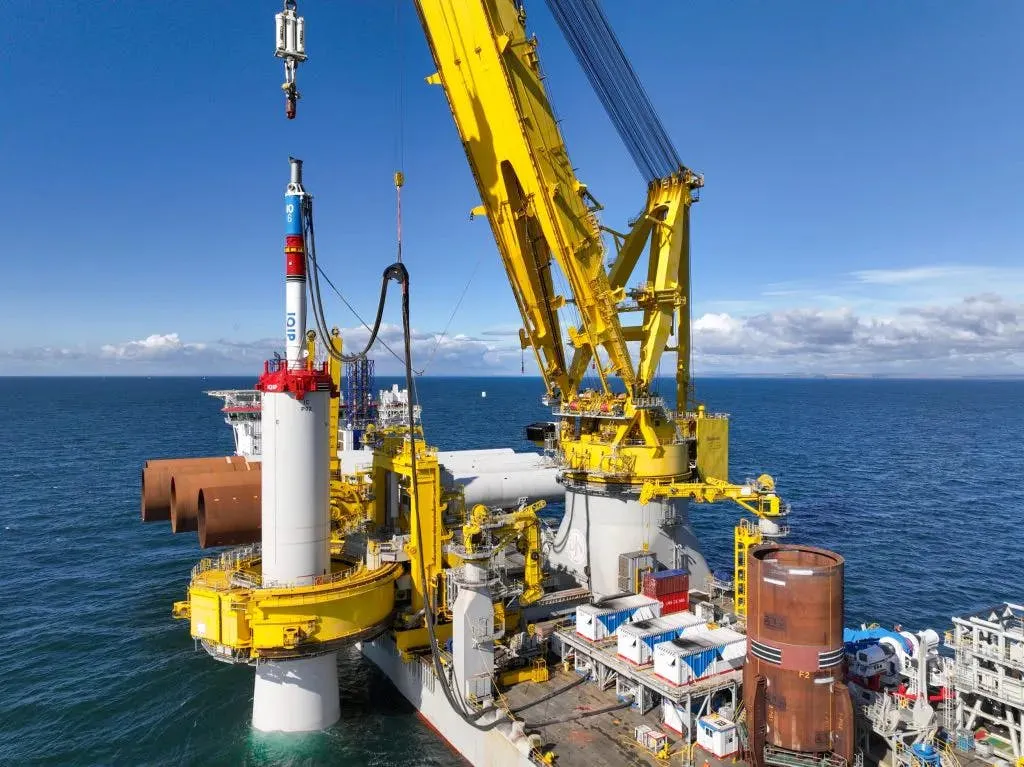
All 54 monopile foundations for the Inch Cape Offshore Wind Farm in the UK North Sea are now in place, according to a June 3 company press release.
The project, 15-22 km from Scotland’s east coast, is a joint venture between ESB and Red Rock Renewables.
Jan De Nul’s Les Alizés heavy-lift vessel, leased for this project by charterer RWE, began the offshore installation program last December, traveling to and from a new purpose-built berth at the Port of Leith in Edinburgh to collect five monopiles for each voyage.
The monopiles are among the largest to date for an offshore wind development, with diameters of 11.5 m and lengths of up to 102 m, and weighing about 2,300 metric tons. SLPE was responsible for the engineering design; CWHI and Dajin fabricated the structures; and Forth Projects managed offloading and marshalling.
Les Alizés employed its 5,000-mt crane that extends to 160 m at full height, a purpose-designed IQIP pile lifting tool and an IQIP hydraulic impact hammer to drive the monopiles into the seafloor.
Geowind and Cathie had earlier performed geotechnical analysis to mitigate the risks of driving into the complex ground conditions.
Aside from the monopiles with transition pieces, Inch Cape will feature 18 jacket foundations with 54 pin piles to support 72 Vestas 15-MW turbines.
Offshore construction activity later this year will include the installation of transition pieces and jacket foundations and remaining sections of the second export cable, the first array cables and the first turbines.

Global Port Services Shipping (GPSS) is providing marine logistics and vessel support to Seaway7 for its scope of construction work, with Port of Cromarty Firth in Invergordon operating as the intermediate port for the heavy-lift crane vessel Seaway Alfa Lift, according to a May 20 GPSS press release.
The deepwater port is project operations base with GPSS companies Global Port Services Projects, Global Crane Services and SB Services and various local subcontractors supplying labor, plant and resource support during the vessel’s four port calls (90 days in total).
During the initial port call that started in March, Seaway Alfa Lift was four weeks in port ahead of the transition pieces being loaded at Leith. The second port call is scheduled for this summer.
The Inch Cape project should deliver first power in late-2026 followed by full commercial operations in 2027.
Sarens completes transition piece transport for CVOW project
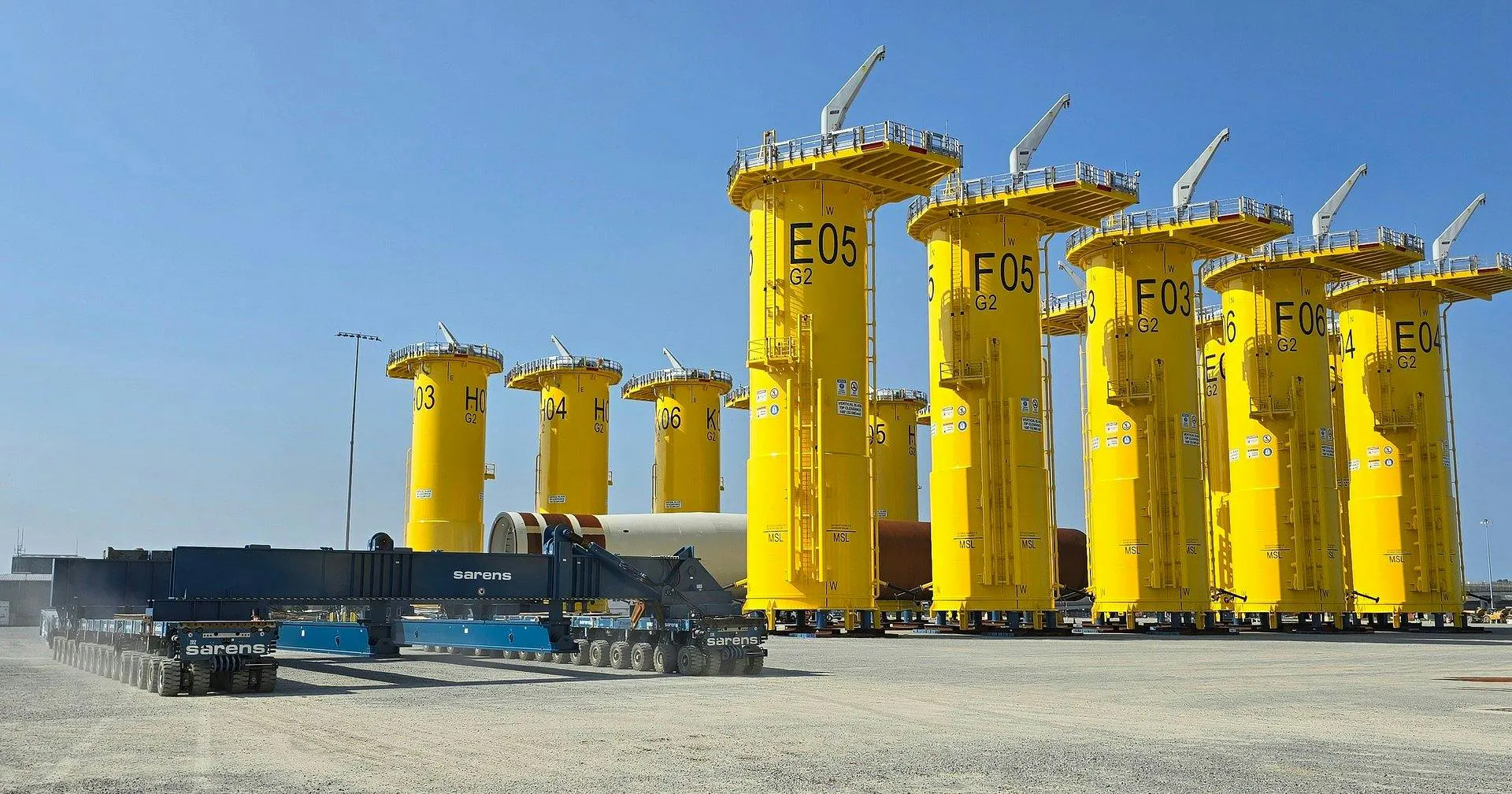
Sarens has completed the final logistics phase for the Coastal Virginia Offshore Wind (CVOW) project, transporting the last 10 transition pieces and marking the close of its heavy-lift and transport scope, according to a May 18 Sarens news release.
The work supports ongoing offshore installation activities as the project progresses toward full construction completion.
The CVOW project is the first utility-owned offshore wind farm in federal waters in the US.
 DEME Sea Challenger
Ecowende installs first turbine as environmental measures take shape
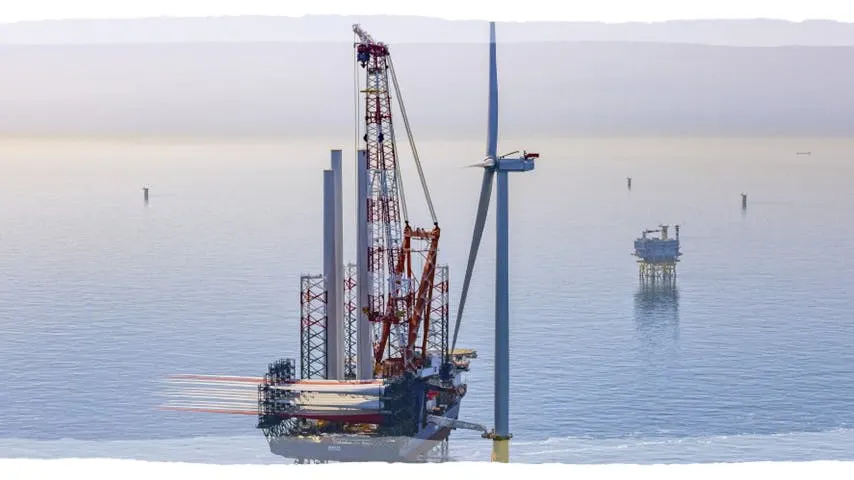
Last weekend, Van Oord’s Boreas vessel installed the first wind turbine at the Ecowende wind farm in the Dutch North Sea about 53 km offshore IJmuiden, according to a June 1 Ecowende news release.
The wind farm is co-owned by Eneco and Shell.
Altogether Boreas will install 52 Vestas V236-15-MW turbines, which at full operational capacity will send 760 MW to the Dutch grid.
Vestas is overseeing transport and pre-assembly of the turbine components at the port of Eemshaven. Van Oord collects the assembled turbines offshore aboard the Boreas.
Once on location, Vestas completes installation and commissioning using Boreas’ main crane. Van Oord is also responsible for transport and installation of all 52 monopile foundations, the inter-array cable installation, and placement of scour protection on the seabed.

Seven of Ecowende’s turbines will be fitted with a single, red-painted blade, to determine whether the contrasting color improves rotor visibility for birds, reducing the risk of collision.
The resulting ‘smear’ effect during rotation is thought to be easier for birds to detect than conventional grey rotors. In addition, red (compared with black and fluorescent alternatives) is thought to offer superior performance in terms of heat resistance and blade longevity.
Adaptive curtailment systems and radar-based monitoring with AI-assisted species recognition are other initiatives at Ecowende to minimize the collision risk for birds and bats.
Fugro to support Ireland offshore wind buildout with marine monitoring program
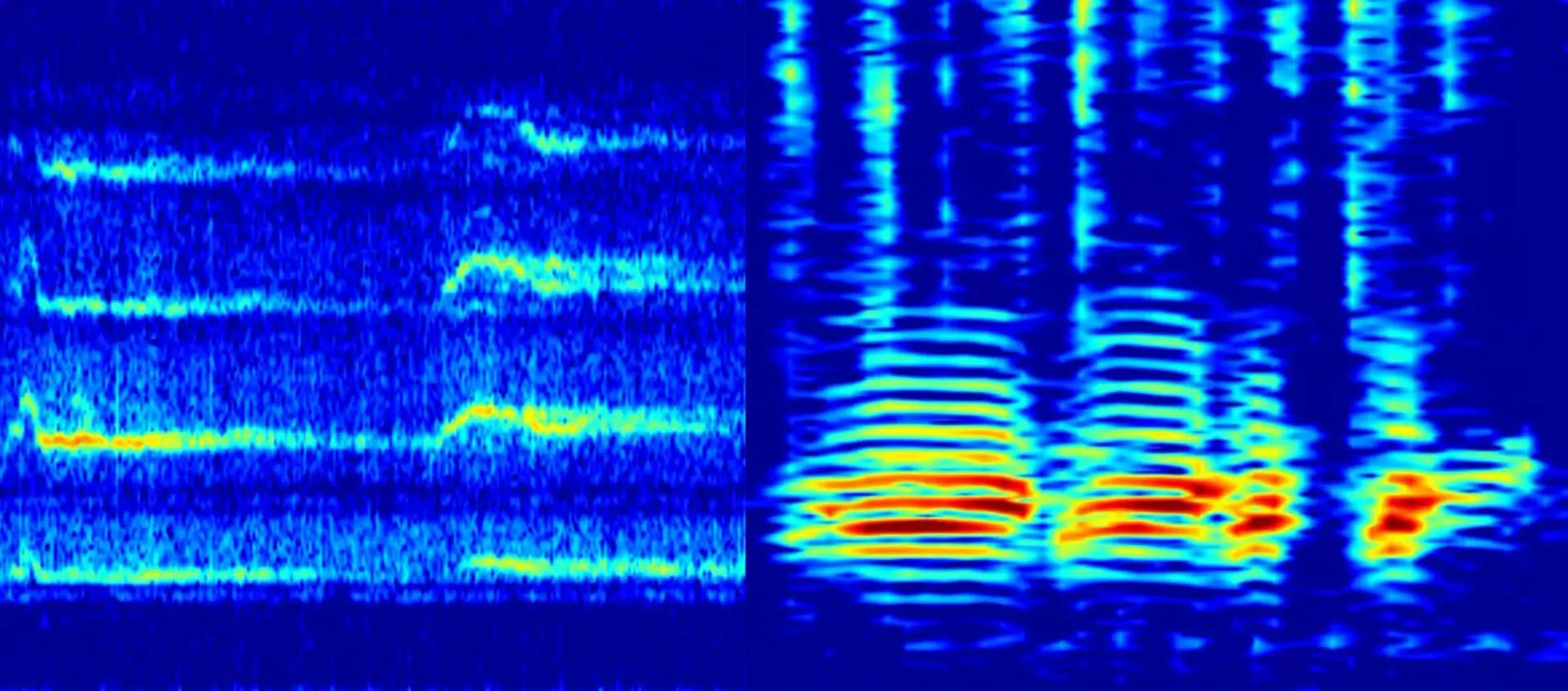
Fugro has secured a multi-year contract to provide marine mammal monitoring services in support of Ireland’s offshore wind development, according to a June 1 news release.
The company will deliver environmental baseline data and ongoing observation to help projects meet regulatory requirements and minimize ecological impact.
The work will support EirGrid’s Powering Up Offshore – South Coast program. This contract builds on Fugro’s existing seven‑year framework agreement with EirGrid.
 Wind turbines farm in Baltic Sea, Denmark
DNV certification milestone clears path for Nordseecluster A installation phase
In Hamburg, DNV has certified the third milestone in accordance with the German Federal Maritime and Hydrographic Agency (BSH) standard for the Nordseecluster A (NC 1 and NC 2) wind projects in the German North Sea, according to a June 4 DNV news release.
The joint development between RWE and Norges Bank Investment Management comprises two extension phases (A & B), with a planned total capacity of up to 1.6 GW.
Certification confirms that the project’s design phase, including installation, operation and decommissioning planning, is in compliance with all the BSH’s regulatory requirements. Through obtaining the third BSH release, RWE will be free to proceed with installing wind turbines at the offshore site.
Apollo advances floating wind platform toward commercialization with AiP certification
Apollo has secured Approval in Principle (AiP) from Bureau Veritas for its PALM QCS floating foundation system, marking a key step toward commercial deployment, according to a June 3 Apollo press release.
The modular platform is designed to simplify fabrication, transport and installation for floating offshore wind projects, with the certification validating its concept and advancing readiness for large-scale application.
 Baltic 1 Offshore Wind Farm
Mooreast, SeaTwirl partner on floating wind deployment in Southeast Asia
Mooreast has been named the exclusive ASEAN partner for Swedish floating wind developer SeaTwirl, forming a collaboration to support deployment of SeaTwirl’s vertical-axis floating wind technology in the region, according to a June 2 Mooreast press release.
The agreement focuses on localization, mooring solutions and advancing floating wind project opportunities across Southeast Asia.
Partnership targets electrification of CTV operations
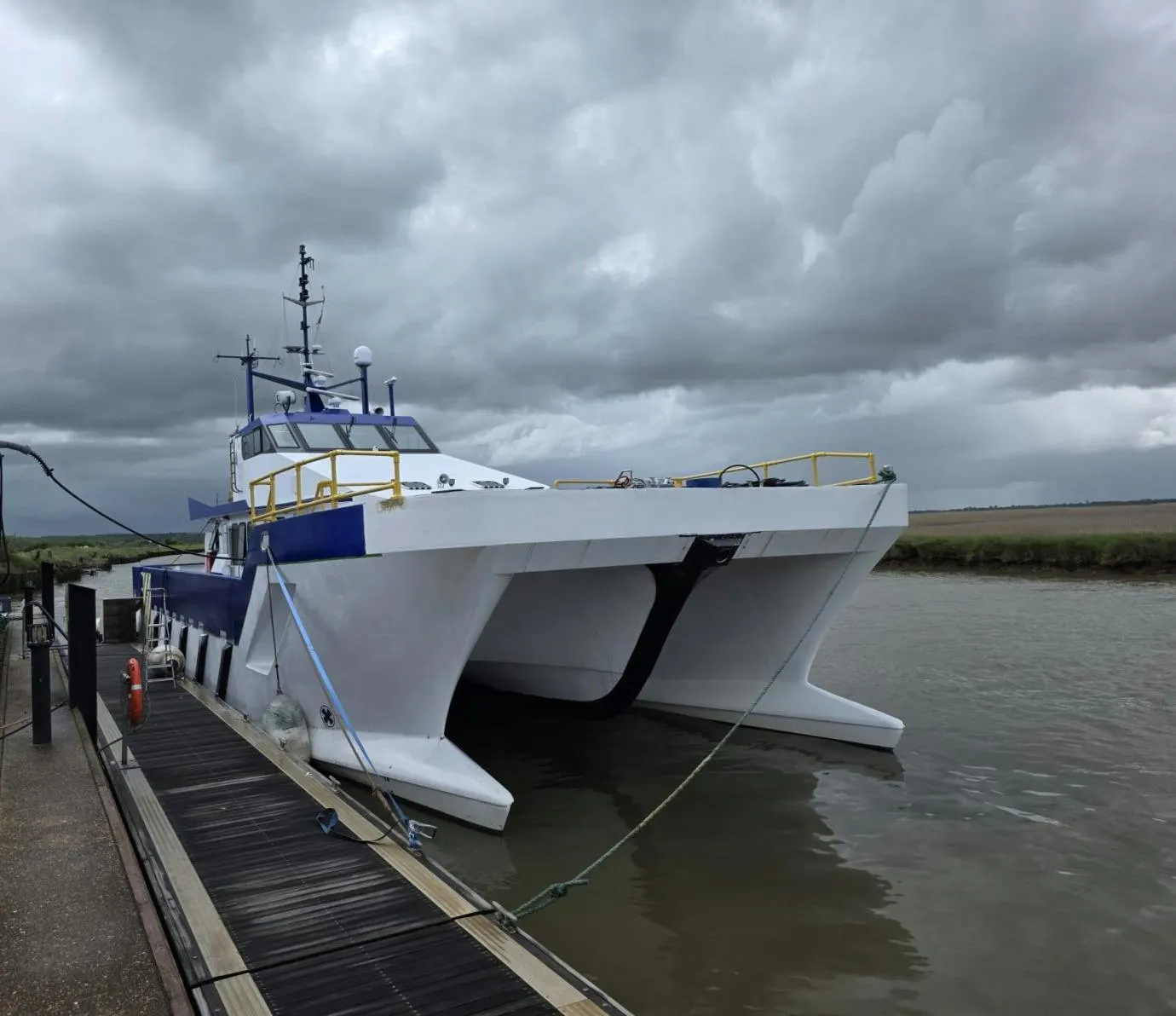
Aqua superPower and Tidal Transit plan to jointly deliver electric crew transfer vessel (E-CTV) projects for ports and harbors where there is demand to electrify operations to support offshore infrastructure, including wind farms, according to a May 19 Tidal Transit press release.
The partnership aims to offer an integrated solution. Tidal Transit will build and operate the E-CTV vessels and manage installation of offshore charging infrastructure, with Aqua superPower managing design, build, operations and maintenance of shore-side charging infrastructure located at the vessel’s origin port.
The goals are to simplify and speed up the adoption of electric vessel operations.
Exclusive content:
About the Author
 Jeremy Beckman
Jeremy Beckman
Staff Writer / Editor, Europe
Jeremy Beckman has been Editor Europe, Offshore since 1992. Prior to joining Offshore he was a freelance journalist for eight years, working for a variety of electronics, computing and scientific journals in the UK. He regularly writes news columns on trends and events both in the NW Europe offshore region and globally. He also writes features on developments and technology in exploration and production.
 Ariana Hurtado
Ariana Hurtado
Editor-in-Chief
With more than a decade of copy editing, project management and journalism experience, Ariana Hurtado is a seasoned managing editor born and raised in the energy capital of the world—Houston, Texas. She currently serves as editor-in-chief of Offshore, overseeing the editorial team, its content and the brand's growth from a digital perspective.
Utilizing her editorial expertise, she manages digital media for the Offshore team. She also helps create and oversee new special industry reports and revolutionizes existing supplements, while also contributing content to Offshore's magazine, newsletters and website as a copy editor and writer.
Prior to her current role, she served as Offshore's editor and director of special reports from April 2022 to December 2024. Before joining Offshore, she served as senior managing editor of publications with Hart Energy. Prior to her nearly nine years with Hart, she worked on the copy desk as a news editor at the Houston Chronicle.
She graduated magna cum laude with a bachelor's degree in journalism from the University of Houston.