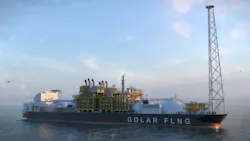
Black & Veatch has asked Techouse to supply heat recovery steam generation (HRSG) modules for the topsides for Golar LNG’s fourth FLNG vessel project.
The goal is for the vessel to consume 20-25% less fuel compared to conventional systems based solely on gas turbines.
Techouse’s two HRSG modules will each weigh about 1,000 mt. In addition, the company will provide support systems for running the HRSG modules.
While the company will manage engineering and procurement in Norway, its partner Alpha ECC will fabricate the two modules in Vung Tau City. These will then be shipped to Himile Heavy Industries in China for assembly into an integrated HRSG package, which should be completed by the end of 2028.
Techouse’s combined cycle power plant design is a heat and power solution in which heat recovery steam generators use heat from the exhaust of gas turbines to generate pressurized superheated steam.
The steam then serves to produce electrical power in steam turbines and heat for the LNG process.
All electrical power on board the offshore facility or vessel is normally generated by steam turbines, using steam recovered from exhaust heat emanating from the gas turbines that drive compressors for cooling of gas to LNG.
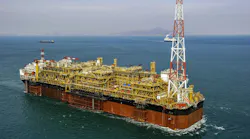
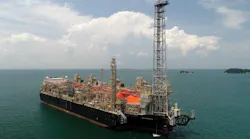
Techouse previously delivered its HRSG technology to the Golar FLNG's Gimi and Esperanza.
The vessel for this latest project will be converted from NYK Line’s LNG carrier Grace Dahlia, with work due to be completed in 2029.