Digital inspection strategies are changing offshore risk and capital decisions
Key highlights:
- The most significant value from remote inspection lies in faster decision-making and expert collaboration, leading to risk reduction and operational efficiency.
- Digital tools support better capital planning by providing high-fidelity data, enabling asset life extension and optimizing inspection schedules based on actual asset conditions.
- Adapting inspection strategies for aging and new assets involves standardizing data, integrating sensors and leveraging digital twins for proactive management.
As offshore assets move into deeper water and more remote regions, inspection and integrity management have shifted from periodic, manual activities to digitally enabled, remote and increasingly predictive systems.
Alan Curtis, SVP and recently retired CFO of Oceaneering International and a member of Offshore’s 2026 Editorial Advisory Board, offers an executive and financial perspective on how these changes are reshaping risk management, capital planning and long-term asset value across offshore energy portfolios.
Offshore: From an executive and financial leadership perspective, how has the offshore industry’s approach to inspection and integrity management evolved over the past decade, particularly as operations have moved into deeper water and more remote environments?
Curtis: While the technologies available to offshore operators have evolved significantly over the past decade, the core objective of inspection and integrity management has remained consistent: ensuring safety, regulatory compliance and cost efficiency. What has changed is how the industry balances risk and cost as assets move into deeper water and more remote operating environments.
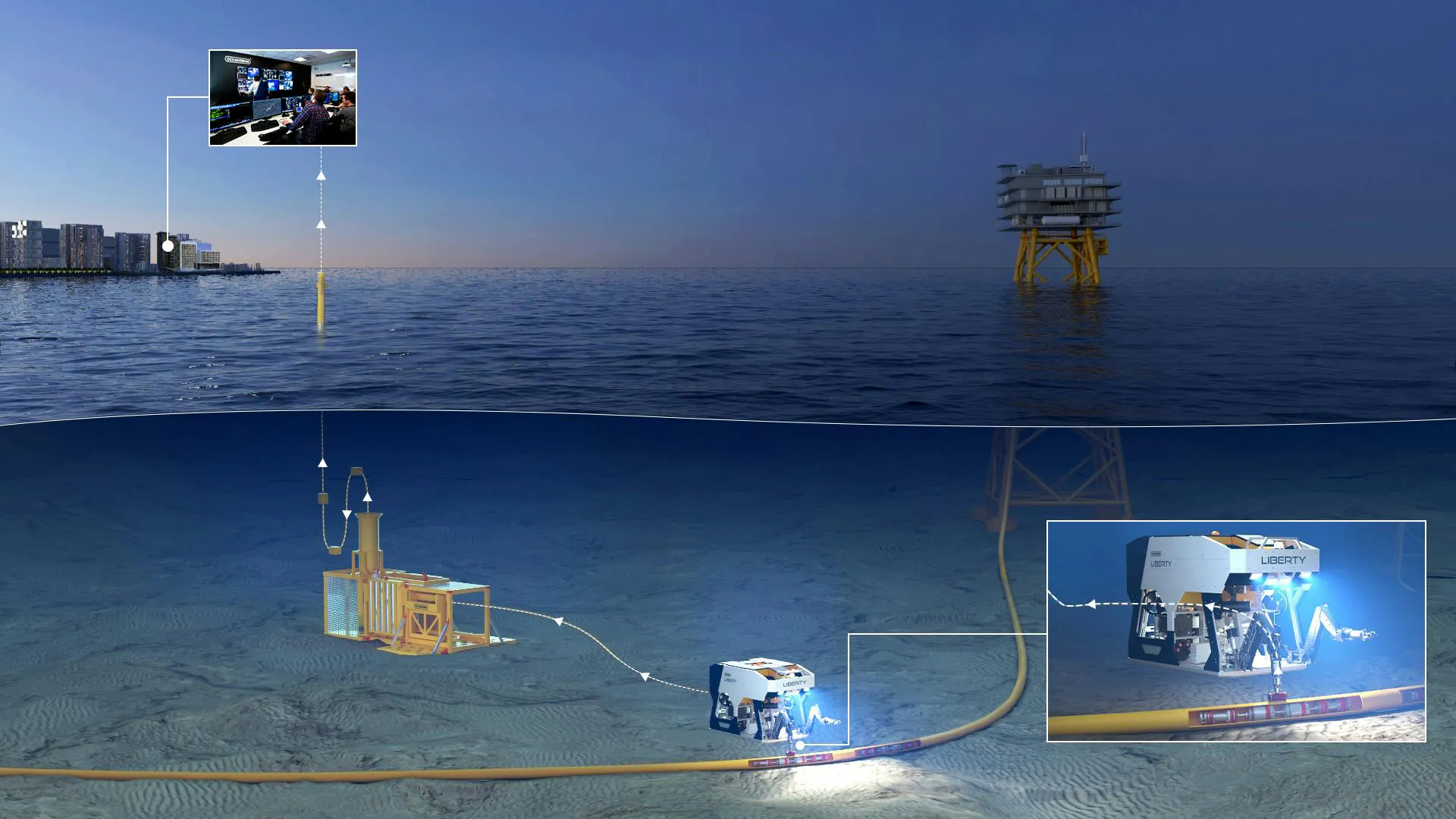
Historically, inspection programs were largely periodic and manual. Today, the industry offers more integrated, data-driven integrity management strategies. Advances in digitalization, remote technologies and connectivity now allow operators to aggregate large volumes of inspection and operational data, improve situational awareness, and accelerate “find-to-fix” cycles. This shift has enabled integrity decision-making to move from the field to centralized hubs, where insights can be shared more rapidly and consistently across organizations.
Market cycles and industry disruptions have also played a role. During periods of downturn, operators were compelled to rethink traditional inspection frequencies and focus resources more strategically. More recently, the widespread acceptance of remote working models further accelerated adoption of remote inspection and monitoring approaches, particularly for assets operating far from shore.
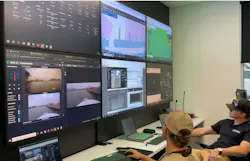
Offshore: From a risk management standpoint, how do remote inspection and monitoring approaches alter the way energy organizations think about safety, workforce exposure and regulatory compliance offshore?
Curtis: Remote inspection and monitoring approaches deliver measurable improvements in both personnel and process safety. By reducing the number of personnel required at high-risk offshore locations while simultaneously improving visibility into asset condition, operators achieve a compounding safety benefit rather than a simple trade-off.
As technology adoption accelerates, regulatory frameworks, certification requirements and industry standards are evolving in parallel. Remote inspection methods can now meet the same recognized standards as traditional onsite approaches.
Beyond inspection, remote monitoring enables earlier detection of emerging issues, supporting proactive risk management and more predictable operations across the asset life cycle.
Offshore: Remote inspection technologies are often discussed in terms of risk reduction and efficiency. In your view, where have offshore operators seen the most material value realized, and where have expectations required recalibration?
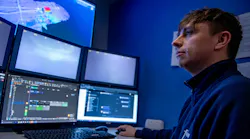
Curtis: The most tangible value from remote inspection technologies is from quicker access to experts and the speed of better decision-making. Remote solutions allow subject matter experts to be engaged exactly when and where they are needed without needing to travel or deploy offshore. Historically, it was harder to get the right expert to these remote assets quickly, which often delayed insights and corrective actions. Today, remote technologies enable near-real-time collaboration between operators and service providers, significantly reducing time to insight.
Risk reduction and efficiency gains are also realized across the entire operation, not just at the inspection level. Reducing personnel offshore exposure improves safety, while centralized expert support increases operational coverage. A single specialist can now support multiple assets in parallel rather than being limited to one location at a time.
However, remote inspection represents a fundamental change in how work is performed, and all change requires calibration. Early expectations often focused on technology alone. In practice, success depends just as much on how organizations adapt their workflows, collaboration models and decision-making processes. As communications infrastructure has improved, particularly with the introduction of low latency connectivity, many of the early technical barriers have been removed, allowing remote inspection to mature into a reliable and scalable operating model.
Offshore: How has increased reliance on remote inspections and digitally enabled operations influenced capital planning and life-cycle cost considerations for offshore energy assets?
Curtis: In conversations with our customers across the industry, one theme is consistent: better information leads to better decisions. Digitally enabled inspection and integrity programs provide operators with more complete, higher-quality data, allowing them to move away from 'inspection by habit' toward inspection driven by actual asset condition and risk.
From a financial perspective, this shift has meaningful implications for both operating expenditure and asset life extension. By reducing the cost and frequency of offshore mobilization and focusing inspections where data indicates they are truly needed, operators can lower inspection and engineering costs while maintaining, or improving, asset integrity. At the same time, improved engineering assessments supported by higher-fidelity data can unlock additional asset life, increasing long-term value.
Ultimately, organizations that adopt a clear digital strategy and leverage the best available tools are better positioned to make informed capital allocation decisions across the full asset life cycle.
Offshore: As offshore energy assets age while new developments pursue lower-carbon and more automated operating models, how should inspection and integrity strategies adapt across both legacy and newbuild infrastructure?
Curtis: Whether managing aging assets or developing new infrastructure, operators have an opportunity to reimagine the integrity management life cycle using today’s digital and remote capabilities.
This evolution typically involves three interconnected steps:
- Cleansing and standardizing integrity data;
- Preparing assets and organizations for digital integration; and
- Executing a more proactive, data-driven integrity strategy.
For new developments, these lessons can be embedded from the outset. Incorporating sensors, automated monitoring and digital twins from day one establishes a strong baseline for future decision-making and reduces long-term inspection and maintenance demands. For legacy assets, applying the same principles enables smarter prioritization and targeted investment.
In both cases, the industry is learning from current improvements and applying those insights to design more resilient, efficient and sustainable offshore assets.
Offshore: Looking ahead, what factors do you expect will most influence the pace and scale of adoption of remote inspection and operations across offshore energy markets globally?
Curtis: The primary barrier to the pace and scale of adoption will be whether the industry can change its institutional mindset of 'that’s just the way things have always been done.' The technology and tools already exist. They will continue to advance rapidly in the years to come.
Unlocking value will require close collaboration between operators and service providers to reimagine how work is executed and how value is measured. Remote inspection is only one element of a broader digital transformation that will increasingly incorporate automation, advanced analytics and artificial intelligence.
Those organizations that embrace change and integrate new capabilities into everyday operations will be best positioned to lead the next phase of offshore energy development.
Exclusive content:
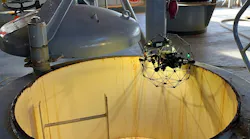 Flyability Elios 2 inspection drone
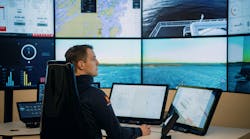 Remote Operations Centre
About the Author
 Ariana Hurtado
Ariana Hurtado
Editor-in-Chief
With more than a decade of copy editing, project management and journalism experience, Ariana Hurtado is a seasoned managing editor born and raised in the energy capital of the world—Houston, Texas. She currently serves as editor-in-chief of Offshore, overseeing the editorial team, its content and the brand's growth from a digital perspective.
Utilizing her editorial expertise, she manages digital media for the Offshore team. She also helps create and oversee new special industry reports and revolutionizes existing supplements, while also contributing content to Offshore's magazine, newsletters and website as a copy editor and writer.
Prior to her current role, she served as Offshore's editor and director of special reports from April 2022 to December 2024. Before joining Offshore, she served as senior managing editor of publications with Hart Energy. Prior to her nearly nine years with Hart, she worked on the copy desk as a news editor at the Houston Chronicle.
She graduated magna cum laude with a bachelor's degree in journalism from the University of Houston.
Related
