Global approvals accelerate uncrewed offshore operations deployment
Key Highlights
- Offshore operators are integrating connected assets and digital infrastructure to enable continuous, data-driven inspections from shore-based teams.
- USVs improve vessel utilization, extend mission durations and significantly reduce crew exposure to offshore hazards.
- Aligning remote inspection with automation initiatives requires robust digital readiness, cybersecurity measures and regulatory compliance to ensure safe operations.
Offshore: How are offshore energy operators and developers rethinking inspection and operations strategies as vessels, offshore assets and control systems become increasingly connected and remotely managed?

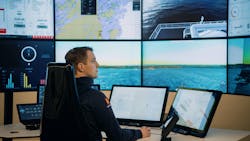
Laurinen: Offshore operators are shifting toward integrated, continuous and data-driven operational strategies. As assets become more connected and remotely manageable, inspection is evolving into part of a fieldwide ecosystem supported by unified data and secure digital infrastructure. This reflects a broader innovation cycle across offshore energy, where operators seek smarter, safer and lower-emission ways of working.
The adoption of uncrewed technologies demonstrates how inspection and monitoring tasks can now be performed from shore with high-quality data and significantly reduced operational footprint, while enabling an office‑like work experience, allowing operators to maintain an active social life and spend time with family and friends outside working hours.
Offshore: What offshore challenges have emerged as inspection activities shift from standalone tasks to components of integrated vessel and fieldwide operations?
Laurinen: The main challenges include coordinating data across an entire offshore environment, ensuring system interoperability and maintaining cybersecurity as more systems become digitally connected. Managing increasing complexity requires integrated operational views, particularly as inspection becomes tied to energy efficiency, vessel performance and environmental monitoring. Lessons learned from digitally mature sectors such as offshore wind are increasingly informing offshore oil and gas, helping operators align inspection activities with broader performance and operational goals.
Offshore: From a marine operations perspective, how do remote inspection requirements influence vessel utilization, crew exposure and campaign planning offshore?
Laurinen: Remote inspection shifts tasks from ships to shore-based teams, allowing for higher vessel utilization and longer mission endurance. Uncrewed platforms can remain on station for extended periods, enabling continuous inspection and survey operations with far greater efficiency. Crew exposure is significantly reduced, reflecting an industrywide priority to improve safety. Campaign planning becomes more agile as operators gain real-time data and remote visibility, enabling adjustments to mission scope and timing in line with vessel energy use, DP performance and environmental conditions. Remote marine operations optimize utilization of scarce expert resources by allowing remote involvement across multiple remote operations, rather than dedicating experts to a single onboard operation.
Offshore: How does the increasing volume of operational and inspection data affect decision-making offshore, particularly in terms of situational awareness and risk management?
Laurinen: The increase in data volume enhances decision-making only when data is contextualized, structured and securely delivered. Real-time operational data supports improved situational awareness, enabling faster and more accurate decisions around equipment condition, vessel behavior and environmental factors. The industry is increasingly relying on predictive analytics, live dashboards and integrated performance tools to track asset health and reduce operational risk. For remote and uncrewed operations, continuous data feeds are essential to safe vessel control and risk management from shore.
Data/cybersecurity of the onboard systems and connectivity to land are crucial elements to maintaining the integrity and safeguard the operation of the vessel. Kongsberg designs the ROC [remote operations center], connectivity, the vessel data network and onboard systems with a defense-in-depth approach and has the required IACS (UR E26/27) certification.
Offshore: What considerations should operators weigh when aligning remote inspection practices with wider automation and autonomy initiatives in offshore energy operations?
Laurinen: Operators should consider digital readiness, data governance, cybersecurity, crew competence development and alignment with evolving regulatory expectations. Remote inspection is closely linked to broader automation trends, including energy optimization, vessel performance monitoring and advanced decision support. As more operations transition from sea to shore, operators must ensure that systems, networks and operational processes are capable of supporting higher levels of remote operations and autonomy in a safe and controlled manner. Adapting these new technologies enables customers to rethink their business processes, disrupt markets and create new competitive edges for themselves.
Offshore: How are regulatory frameworks and class requirements evolving in response to greater reliance on remotely supported and digitally mediated offshore energy operations?
Laurinen: Regulators are advancing standards for cybersecurity, digital system integrity and remote vessel operation, reflecting the rapid adoption of digital and autonomous technologies in offshore markets.
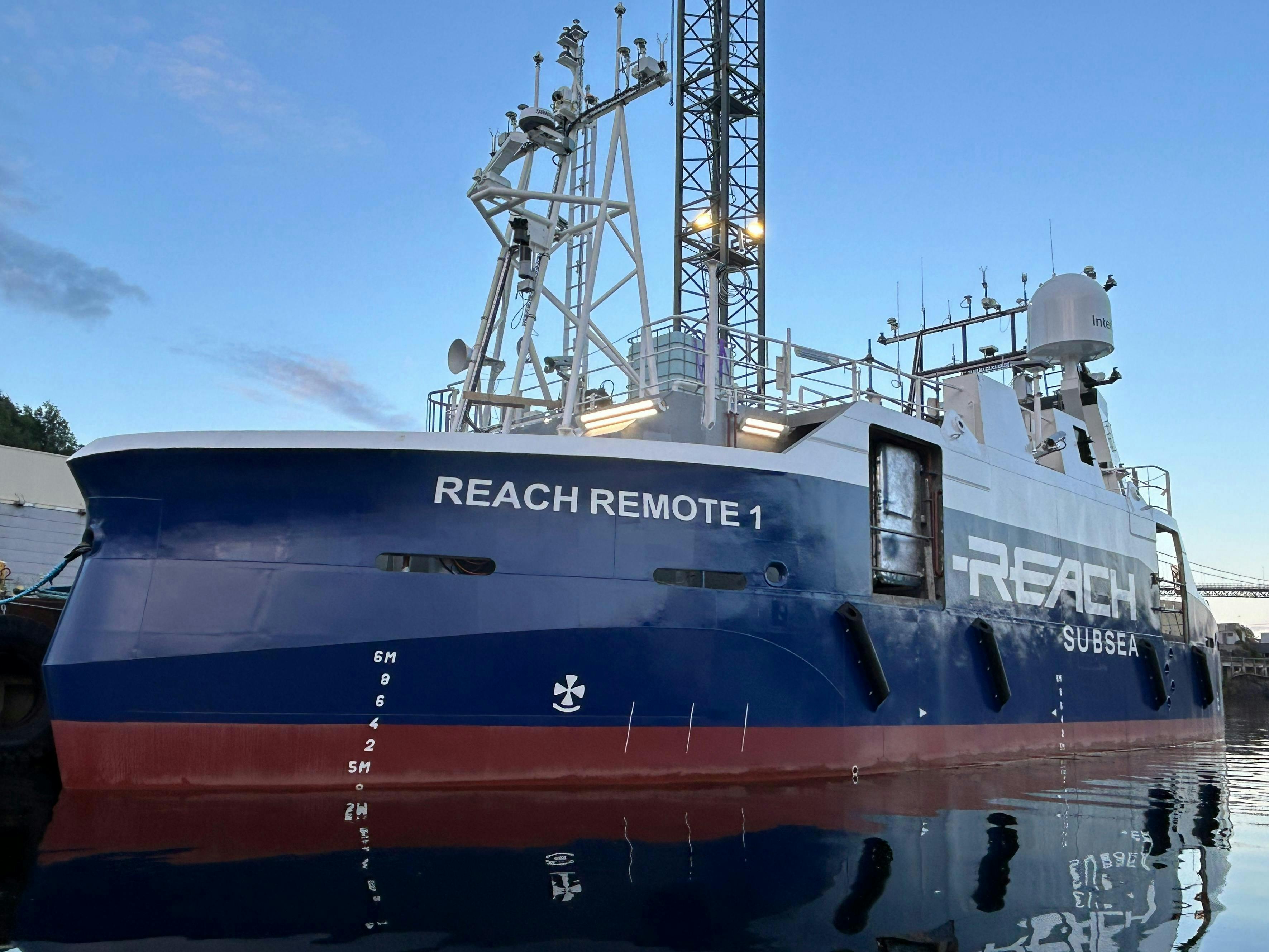
The approvals granted for uncrewed operations with the Kongsberg Maritime's REACH Remote USVs [uncrewed surface vessels] in the North Sea and recently in Australia demonstrate that authorities are recognizing new operational models when supported by robust risk assessments and safety cases.
Broader industry goals around emissions reduction, cybersecurity, safety and efficiency are also influencing regulatory development, encouraging operators to invest in modern digital and control systems. The key is to continue the dialogue between customers, vendors and regulators to ensure purposeful regulations and progress of new innovations.
Offshore: Looking ahead, what factors are likely to determine how quickly remote inspection and operations capabilities become standard practice across global offshore energy markets?
Laurinen: Adoption speed will depend on proven operational success, data consistency, regulatory clarity and the industry’s need for safer, lower-emission operations. Demonstrations such as REACH Remote’s North Sea and Australian campaigns show that uncrewed operations deliver meaningful benefits, including lower costs for certain tasks, reduced emissions and high-quality inspection output.
As the offshore industry enters a new phase of innovation and investment, remote and autonomous capabilities are expected to become mainstream, driven by customer demand for efficiency, reduced risk and better environmental performance.
About the Author
 Ariana Hurtado
Ariana Hurtado
Editor-in-Chief
With more than a decade of copy editing, project management and journalism experience, Ariana Hurtado is a seasoned managing editor born and raised in the energy capital of the world—Houston, Texas. She currently serves as editor-in-chief of Offshore, overseeing the editorial team, its content and the brand's growth from a digital perspective.
Utilizing her editorial expertise, she manages digital media for the Offshore team. She also helps create and oversee new special industry reports and revolutionizes existing supplements, while also contributing content to Offshore's magazine, newsletters and website as a copy editor and writer.
Prior to her current role, she served as Offshore's editor and director of special reports from April 2022 to December 2024. Before joining Offshore, she served as senior managing editor of publications with Hart Energy. Prior to her nearly nine years with Hart, she worked on the copy desk as a news editor at the Houston Chronicle.
She graduated magna cum laude with a bachelor's degree in journalism from the University of Houston.