Constellation expands rig capabilities for Brazil’s deepwater drilling campaigns
Key highlights:
- Constellation operates nine rigs in Brazil, supporting major projects like Búzios and Roncador.
- The company is upgrading rigs with advanced MPD, riser analysis and safety technologies to meet complex exploration and decommissioning demands.
- Constellation maintains one of the largest offshore support bases in the world, with extensive logistics, training and remote monitoring capabilities in Rio das Ostras.
- The company is actively pursuing international opportunities in South America and Africa.
By Jeremy Beckman, Editor, Europe
Over the past few months, Petrobras has extended the contracts of multiple deepwater rigs and drillships supporting its production growth programs offshore Brazil. One of the main beneficiaries has been Brazilian company Constellation Oil Services, which currently has seven rigs in its fleet engaged by Petrobras, including high-specification units supporting projects such as the Búzios Field development and future exploration campaigns on Brazil’s Equatorial Margin.
Constellation claims to be Brazil’s leading drilling contractor in terms of market share. Offshore spoke to CEO Rodrigo Ribeiro about the company’s growth trajectory over the past three decades, and its current campaign to upgrade selected rigs with new capabilities to handle more complex tasks in Brazil’s established and emerging deepwater basins.
Offshore: Can you provide some background into the company and its present offshore capabilities?

Ribeiro: Constellation started as a land driller back in the 1980s and began its offshore operations in 1994, at a time when Brazil’s oil and gas industry was starting to expand more consistently into the offshore environment. Over time, the company followed both Petrobras’ and the industry’s technological evolution, gradually moving from shallow-water operations to increasingly deeper waters.
Constellation is the largest drilling contractor in Brazil, the largest ultradeepwater market globally, at present serving three clients: Petrobras, Brava Energia and Karoon.
It operates nine rigs (seven owned and two managed), all contracted and accounting for 23% of the current Brazilian offshore market. The fleet is active across the full spectrum of offshore drilling activities, including jackups (through managed operations), moored units, dynamically positioned semisubmersibles, and high-specification drillships.
Constellation is involved in key projects such as the Búzios and Roncador field developments, supporting the expansion of production systems, as well as exploration campaigns in new frontiers like the Equatorial Margin, besides several P&A campaigns for decommissioning projects.
The two managed rigs are the Tidal Action, owned by the South Korean group Hanwha Ocean, and Admarine 511, owned by ADES. Tidal Action is deployed in the Roncador Field, in a project involving Petrobras and Equinor, while Admarine 511 operates in shallow waters in northeastern Brazil. Both have been fully integrated into Constellation’s management systems, enabling them to operate in practice under the same standards, processes and performance levels as the company’s owned units.
Offshore: Does the company offer all-round drilling, P&A and intervention capabilities?
Ribeiro: Brazil offers a very diverse range of activities, largely due to the different maturity stages across its basins. We are involved in exploration, production development and also decommissioning, working across both greenfield and brownfield environments. To address this broad spectrum of demand, we operate a diversified fleet and focus on tailoring our service offerings to meet the specific challenges of each phase of activity.
For example, in exploration, we deploy managed pressure drilling (MPD) to enhance well control and operational safety. In addition, we implement various supporting technologies to improve reliability in challenging offshore conditions, including systems that act on reducing the impact of strong ocean currents on critical equipment, as well as real-time monitoring of drilling conditions. Together, these enhancements enable our rigs to operate safely and efficiently across some of the most demanding environments along the entire Brazilian coast—from remote locations with complex logistics to ultradeepwater operations under challenging environmental conditions.
At the other end of the spectrum, in decommissioning, we unlocked a broad portfolio of wells for our clients by enabling use of our semisubmersibles in shallower water environments. Deployment of advanced real-time riser analysis systems allows safe, efficient operations in mature fields, overcoming legacy well constraints that previously limited intervention options for dynamically positioned units.
More recently, we also installed a workover control system in one of our rigs, the Gold Star.
Beyond that, virtually all the rigs are equipped with a service package that includes ROV, cuttings dryers, cementing units and, where required, tubular and casing running services. In our most recent contracts, we have incorporated Red Zone Monitoring solutions to help reduce personnel exposure to risk on the rig floor.
Offshore: Does the company operate from various bases in Brazil?
Ribeiro: Today we operate what may be one of the largest offshore support bases in the world. We have over 300 people based in Rio das Ostras, in Rio de Janeiro state, supporting the operations of our nine drilling rigs and with the capacity to manage up to 12 rigs.
We also maintain forward bases when rigs operate farther from the core region, such as our current operation in Sergipe.
In addition, we have a dedicated training center and a large logistics hub that continuously supplies and supports all operations. The operational base features a remote operations monitoring center, where our engineers can closely track safety and performance across all rigs.
More recently, we have invested in a state-of-the-art simulator to further strengthen training of our teams.
 oil and gas operations offshore Brazil
Offshore: Constellation recently announced new contracts for three rigs that will involve technological upgrades. Can you provide more details?
Ribeiro: These developments are part of Constellation’s ongoing asset modernization program and are adapted to meet the requirements of each project.
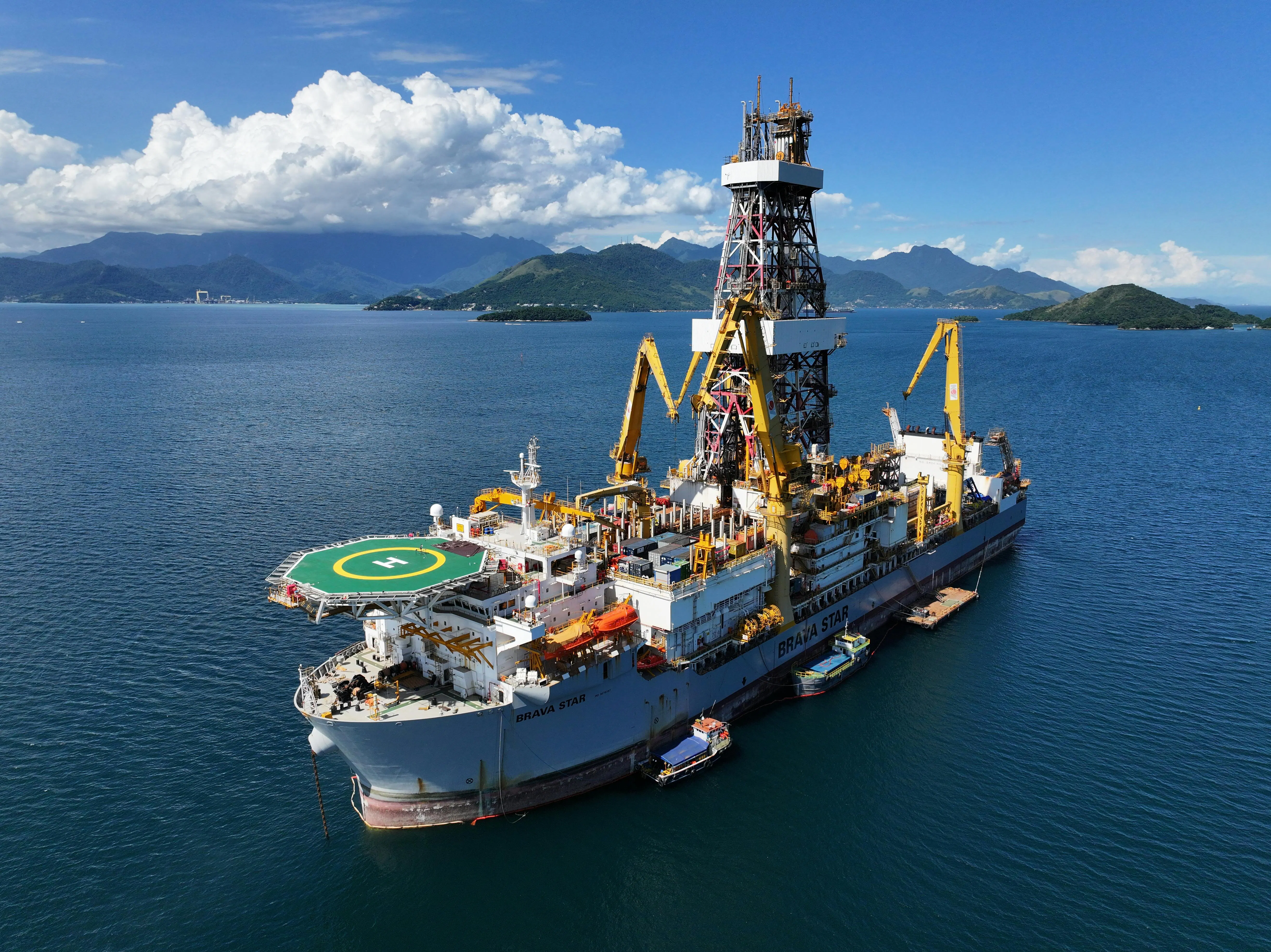
For the Brava Star, the planned upgrades involve enhancements to its MPD systems, strengthening its well pressure control capabilities, and increasing operational safety and flexibility, particularly in support of activities on the Búzios Field.
On the Gold Star, the contract terms include the integration of a well workover control system. This approach supports improved operational efficiency and reduced risk, particularly in the context of P&A campaigns, which are the current focus of the rig’s activities.
Both Alpha Star and the Brava Star are being fitted with advanced drill floor safety technologies, including wearable solutions for crew members, to reduce exposure of personnel to high-risk areas while improving the control and management of moving equipment.
In addition, Alpha Star has recently undergone further upgrades to its real-time riser analysis systems, expanding its operational envelope—particularly in constrained environments—enabling the unit to safely perform in projects that previously presented operational limitations to the client.
Offshore: Are any of these or other in-house developments particularly suited to the growing exploration activity on Brazil’s frontier offshore Equatorial Margin?
Ribeiro: Brazil’s Equatorial Margin is a region characterized by more remote and challenging offshore environments. In this context, the Amaralina Star has already been contracted to operate in the area, equipped with a robust technology package that includes MPD, advanced riser systems with VIV mitigation, and two high-capacity ROVs—essential for ensuring operational control, safety and efficiency in scenarios of greater geological and operational complexity.
Beyond technology, Constellation has built experience over decades in operating in remote and logistically complex environments. These range from operations in the heart of the Amazon rainforest to navigating extreme weather and hurricane conditions during our years in India. This helps planning and execution of operations in some the most challenging and hard-to-access offshore areas.
Offshore: Has the company introduced any other notable innovations in recent years to suit the requirements of its client operators?
Ribeiro: Among the standout initiatives are a pioneering technology in Brazil designed to stabilize hydraulic pressure and absorb system fluctuations, relieving the load on the main HPU pumps; and the DTV (Digital Twin Vessel), a digital twin developed for drillships to optimize fuel consumption and reduce emissions without compromising reliability, redundancy and operational safety requirements.
The company currently operates real-time riser analysis digital twins on rigs such as Amaralina Star, Alpha Star and Brava Star. This technology replaces traditional approaches based on statistical environmental conditions with continuous calculations using real-time data. As a result, it expands operational envelopes, enabling safe operations such as in shallower water depths or wells with higher fatigue levels.
Constellation has consistently invested in in-house and collaborative solutions, with several initiatives originating from its Real-Time Operations Center. Among these, SmartDrill is a proprietary system designed to monitor well construction phases in real time. The platform functions as a dashboard that structures operations into macro phases and enables tracking of critical indicators such as schedule adherence, identification of non-productive time and rig downtime. Based on this data, the company can assess the impact of rig performance on well delivery and implement targeted improvement actions. By leveraging more than 1,000 operational variables, the system has delivered tangible value to clients, supporting better planning and reducing operational uncertainties.
On the operational management front, the company has implemented advanced data management solutions, including the use of AI, to streamline handling of outstanding items and non-conformities, particularly within Petrobras contracts. These tools have had a significant impact on the rig acceptance process, dramatically reducing the time between arrival on location and the start of operations of the new contracts. Results observed in recent contract transitions showed a substantial reduction in acceptance timelines, enabling faster mobilizations and more efficient startups compared to traditional industry benchmarks.
Offshore: Are there any training services for your rig crews that are worth highlighting?
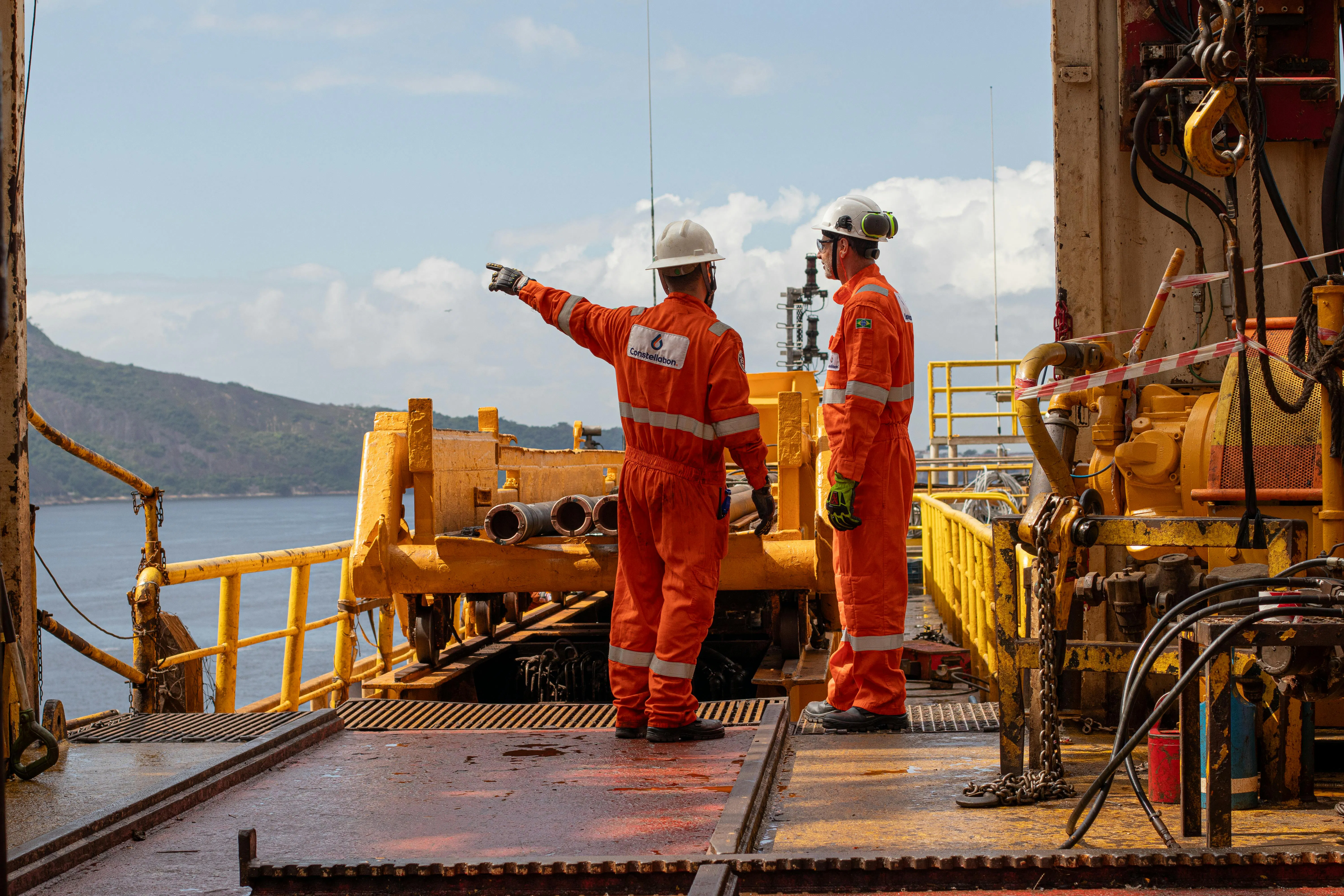
Ribeiro: Among our main initiatives is the Offshore Technical Competency Program, which has undergone a complete redesign. This adopts a structured model for assessing and developing technical competencies, aligned with international industry standards and the requirements of Constellation’s offshore operations. It enables the identification of skill gaps, targeted training and the continuous strengthening of crew qualifications.
In addition, the company is investing more than $2 million in a next-generation drilling simulator, with delivery expected later this year. This will be installed at the new training center in the Rio das Ostras base and will enable realistic crew training for routine activities as well as complex and emergency scenarios.
Complementing this technical approach, Constellation is advancing a transformational Human Factors Journey that is engaging the entire organization. By learning continuously from our operations and actively listening to our people, we are fostering a culture where individuals are recognized as key contributors to safer and more efficient operations—moving beyond a traditional, human error-focused view toward a more systemic approach.
Offshore: Finally, is the company considering extending its footprint by bidding for offshore drilling contracts in other countries in South America or elsewhere?
Ribeiro: After working successfully in India for more than six years, Constellation continues to actively pursue international opportunities in other regions, with particular attention to emerging and geographically close markets such as Suriname, Venezuela, Trinidad and Guyana as well as other regions, including the West African coast, such as Namibia.
About the Author
 Jeremy Beckman
Staff Writer / Editor, Europe
Jeremy Beckman has been Editor Europe, Offshore since 1992. Prior to joining Offshore he was a freelance journalist for eight years, working for a variety of electronics, computing and scientific journals in the UK. He regularly writes news columns on trends and events both in the NW Europe offshore region and globally. He also writes features on developments and technology in exploration and production.
Related
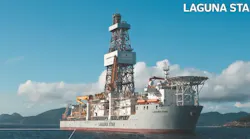 The ultra-deepwater drillship Laguna Star was delivered in 2012.
