Demand climbs for semisubs and jackups in 2026, Westwood reports
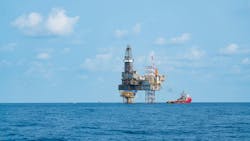
Various factors subdued demand for certain types of offshore rigs last year, according to Westwood Global Energy Group’s recent "Offshore Energy Services Webinar – Rough Seas but Rising Opportunities." webinar.
Others, however, were able to command higher day rates, and there are signs of a pickup in both rates and new contract awards, notably from the second half of 2026 onward.

Teresa Wilkie, research director of Westwood’s RigLogix service, said the offshore drilling fleet remained in attrition mode, with only one newbuild rig added in 2025. Rigbuild opportunities remain extremely limited, she added, with the exception of ARO Drillling’s ongoing construction program to satisfy Aramco’s long-term requirements.
Currently, RigLogix counts 440 marketed jackups, 79 marketed semisubmersibles and 89 marketed drillships worldwide.
For jackup owners, West Africa was one of the hotspots last year, with day rates in the range $99,000-130,000/d. Award activity in various regions picked up following a quieter period in 2024.
Premium and harsh environment jackups attracted higher rates than older, lower-spec units in 2025, and Westwood expects that discrepancy to continue.
The most buoyant sector was semisubmersibles, with contract awards 44% above 2024 values. Key demand has been in parts of northwest Europe, the Far East and South America outside Brazil, where there was a marked decline; although this will likely be temporary.
Drillships experienced a 38% drop in demand, mainly due to Petrobras delaying awards in Brazil. Day rates even fell for 6th and 7th generation vessels, for the first time since the COVID-19 outbreak in 2020.
Petrobras has scaled back its five-year estimate of forward activity due in part to expectations over oil prices, and the company's focus is on cost optimization as it seeks to cut its operating expenditure by $12 billion. During 2026-31, the company expects to drill and complete 260 wells, 290 well tie-ins and 230 P&A/intervention operations on subsea wet tree wells.
Contracts for some rigs will probably not be renewed, Wilkie suggested, while other rigs could exit Brazil altogether after being released from their contracts. But there could be opportunities for other operators offshore Brazil, which currently account for up to six of the contracted rigs.
Offshore Saudi Arabia, 37 jackup contracts were suspended during 2024-25, with 60 rigs currently active. A further eight rigs will return now that Aramco has lifted the suspension of their contracts. And the company is now pressing ahead with a new tender for jackups; whether these are opportunities for uncontracted rigs or just extensions of existing contracts should become clearer in the next few weeks, Wilkie said.
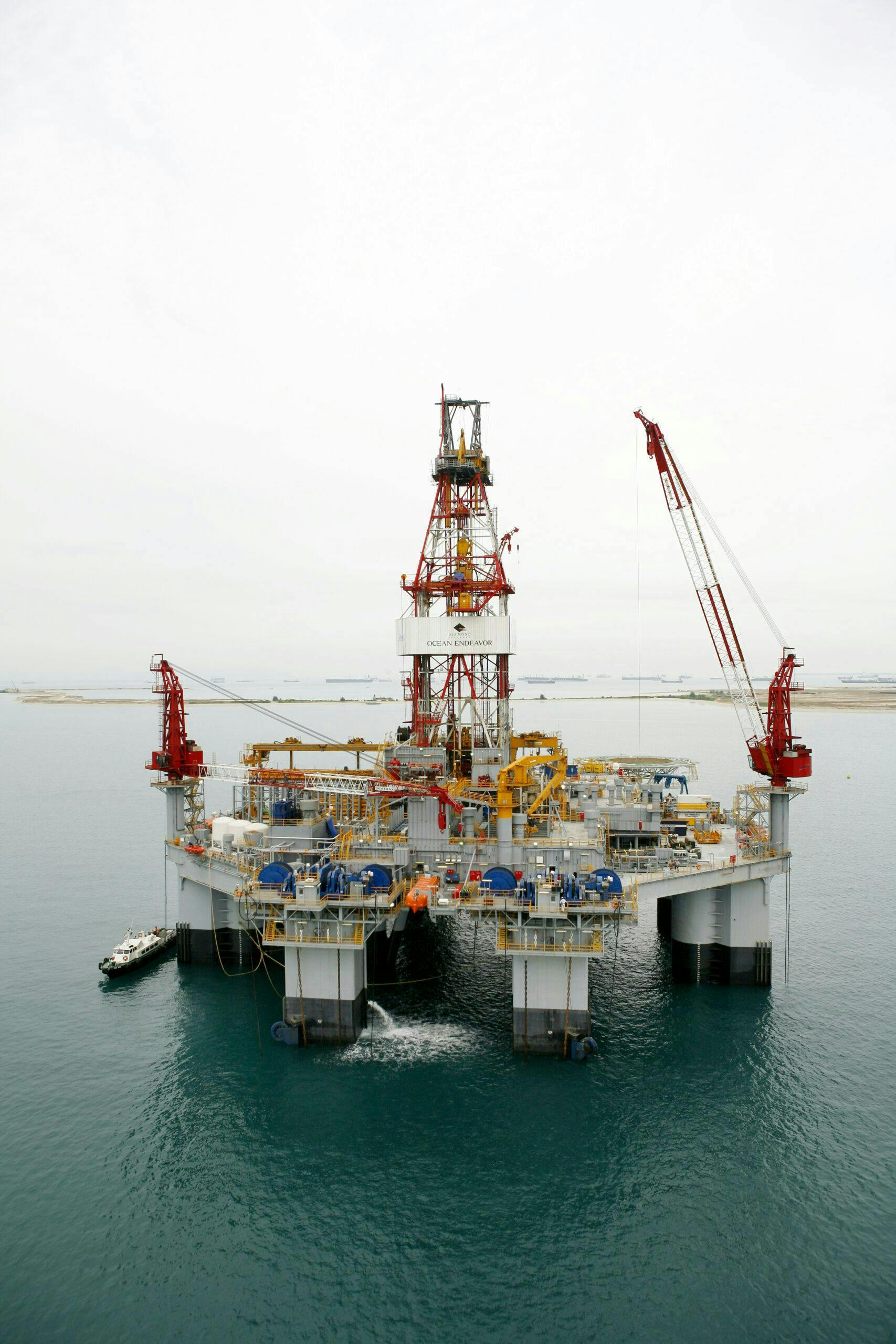
The lack of opportunities has led to numerous North Sea-based rigs being transferred elsewhere, one of the most recent switches involving the semisub Noble Endeavor, which will start work for Navitas offshore the Falklands towards the end of 2025.
Norway has proven more resilient – if anything, a few more semis could join the feet as demand increases over the next couple of years, Wilkie said.
As for forthcoming tenders for all types of rigs globally, the Middle East offers the most opportunities, led by Aramco, with Kuwait Oil also coming to market following its recent big offshore exploration drilling successes.
ONGC recently tendered for four-multi-year contracts for jackups offshore India, and tender activity has been steady in Southeast Asia for shallow-water rigs.
Westwood expects strong interest for drillships to return during the second half of this year and into 202. West and East Africa should offer opportunities for drillships, with Mozambique opening up again to E&P; some long-term deals could also be signed for programs offshore Indonesia and Cyprus.
Best new openings for semisub owners may arise offshore Mexico, Namibia, Asia-Pacific and Canada.
Another emerging opportunity could be for drilling wells for LNG and carbon capture and stprage projects in the US Gulf.
Exclusive content:
 EPC contracts awards in 2026 expected to total some $59 billion
 subsea equipment lifted from Appleton Docks to a heavy lift barge
About the Author
 Jeremy Beckman
Jeremy Beckman
Staff Writer / Editor, Europe
Jeremy Beckman has been Editor Europe, Offshore since 1992. Prior to joining Offshore he was a freelance journalist for eight years, working for a variety of electronics, computing and scientific journals in the UK. He regularly writes news columns on trends and events both in the NW Europe offshore region and globally. He also writes features on developments and technology in exploration and production.