Europe’s offshore wind push: Baltic and North Sea projects reach new phases
Ostwind 3 substation departs the Netherlands
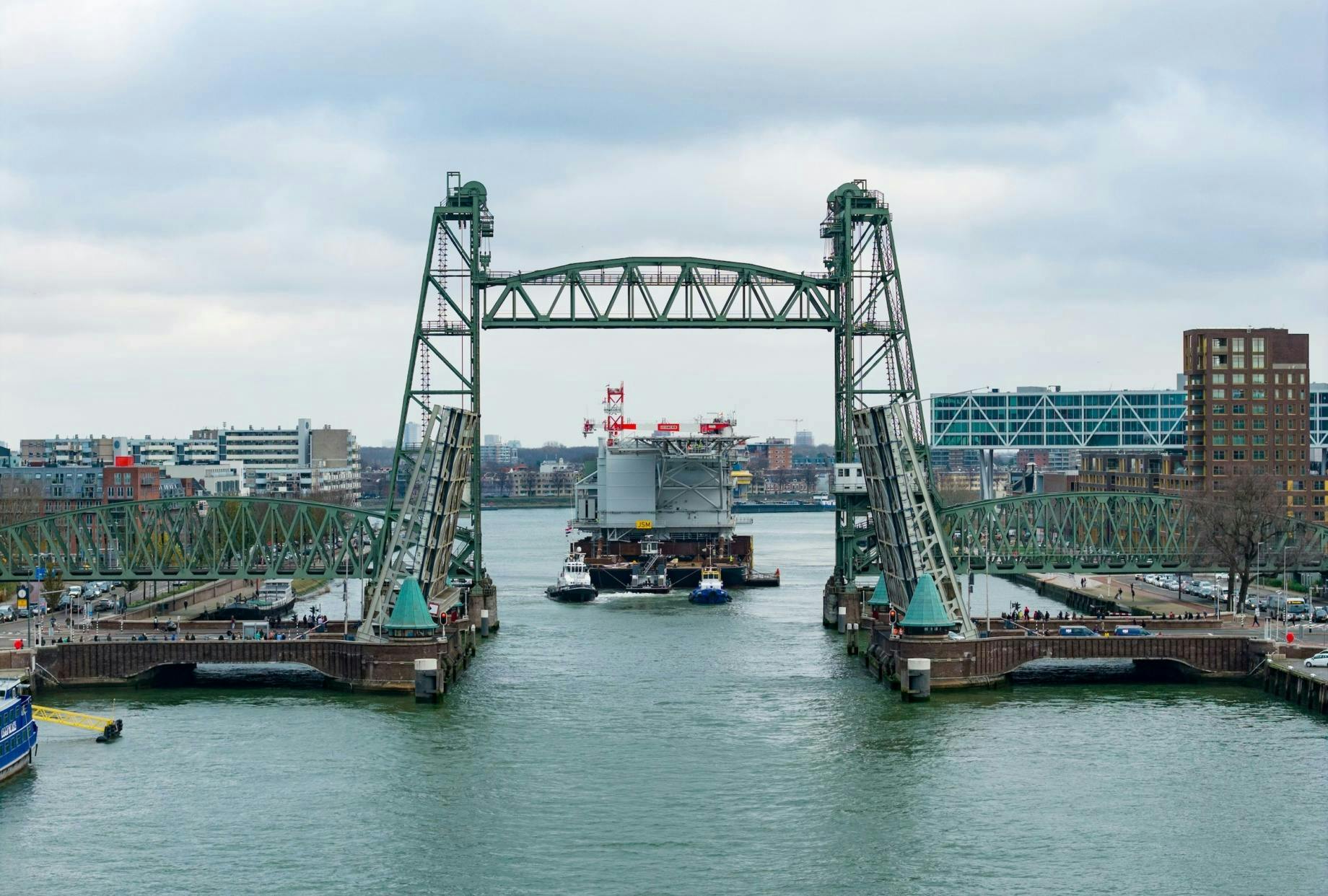
The Jasmund Offshore Substation (OSS) topsides have sailed from HSM Offshore Energy’s Stormpolderyard in Krimpen aan den IJssel, The Netherlands, for installation at a wind farm in the German sector of the Baltic Sea.
HSM and partners Smulders and Iv jointly engineered and fabricated the OSS topsides and jacket for 50Hertz under an EPCIC contract. The 4,500-t topsides measure 48 m long, 33 m wide and 17.5 m tall. Smulders built the 72-m-high jacket at its yard in Vlissingen.
The two structures form part of the Ostwind 3 project. In the next few weeks, they will be transported to the offshore location, 45 km northeast of the island of Rügen, with Heerema Marine Contractors performing the installations.
Once operational, OSS Jasmund will have a capacity of 300 MW. It will serve as a connection point between the 315-MW offshore Windanker wind farm and the onshore electricity grid.
Jasmund is the first of three offshore substations that the consortium is developing for 50Hertz, with the Zingst and Darß substations to follow.
Van Oord installs monopile foundations for Windanker project
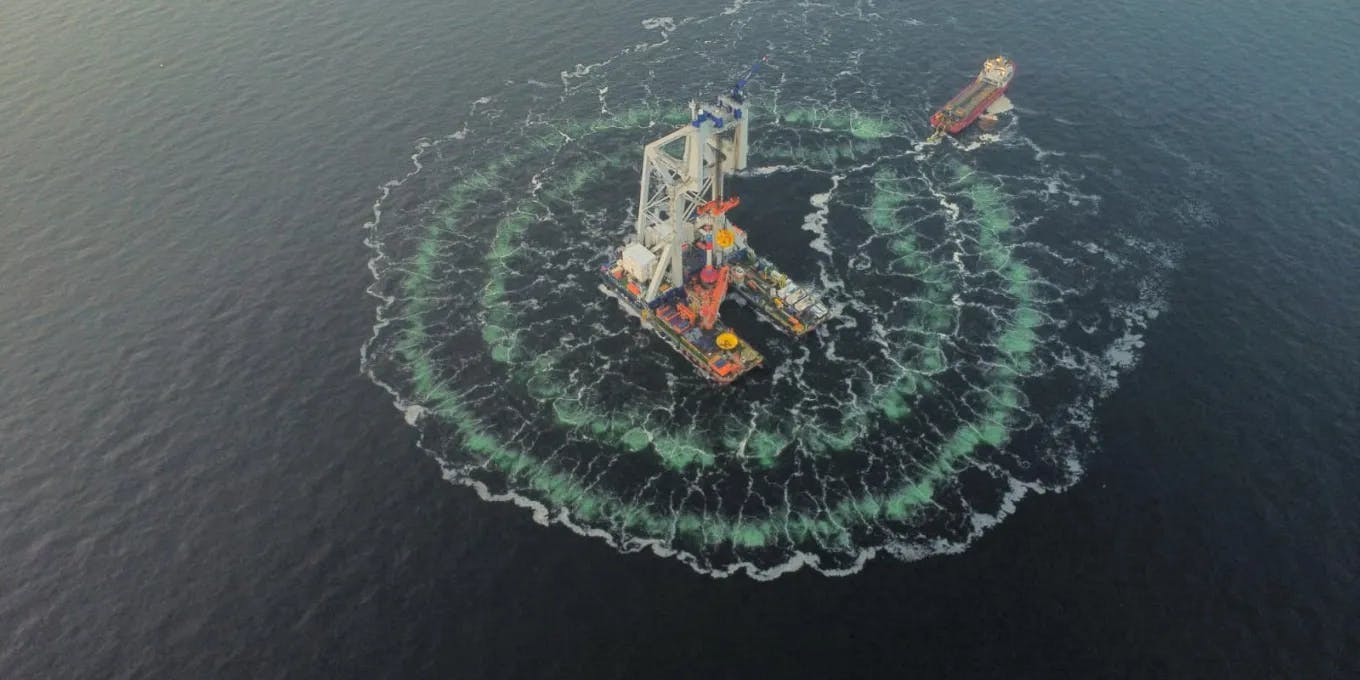
Van Oord has completed transport and installation of all 21 monopiles at the Windanker development in the Baltic Sea, the largest the company has installed to date.
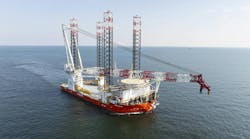
The upgraded heavy-lift vessel Svanen, which has been equipped to handle next-generation offshore wind foundation placements, managed the program.
Van Oord’s duties included loading the monopiles at the fabrication site in Spain and transporting them to the Port of Rønne in Denmark. The structures were built by the joint venture between Navantia and Windar; they each have a diameter of 10 m, lengths ranging from 70.6 to 86.6 m, and weights of up to 2,145 mt.
They were lifted from the port via MTC cranes, then towed by two tugs to the Svanen.
To protect marine life at the Windanker locations from high noise levels during the monopile installations, Van Oord deployed bubble screens to create a curtain of air bubbles around the work area that absorbed and reduced sound waves. And a hydro sound damper net helped suppress noise levers further.
 offshore wind market update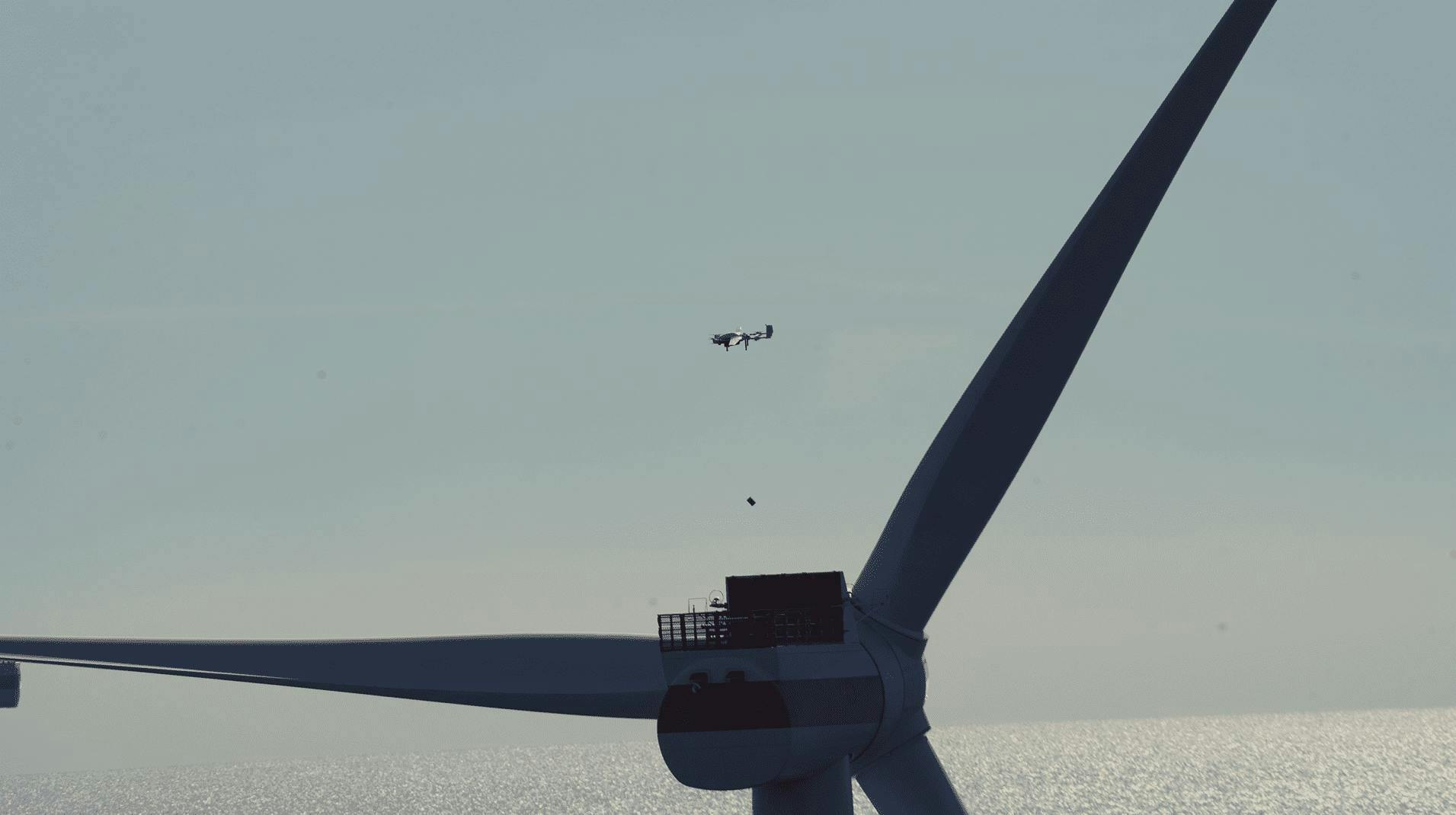
Under a partnership with Skyports Drone Services, long-range drone technology was also trialed to transport certain items from the shore to the offshore installation site, under a pilot project.
Van Oord claims to be the first marine contractor to have delivered Beyond Visual Line of Sight (BVLOS) drone flights to vessels in a wind farm under construction.
The company’s remaining activity for the Windanker development involves the initial transport of 21 transition pieces by Spanish company Windar, all of which should be in place this month.
During first-quarter 2026, the company will install the inter-array cables, interconnecting the turbines and offshore substation, and supporting energy transmission throughout the wind farm.
Windanker commissioning is scheduled for the last quarter of 2026, according to Iberdrola Group.
Seaway7 concludes Dogger Bank C project installations
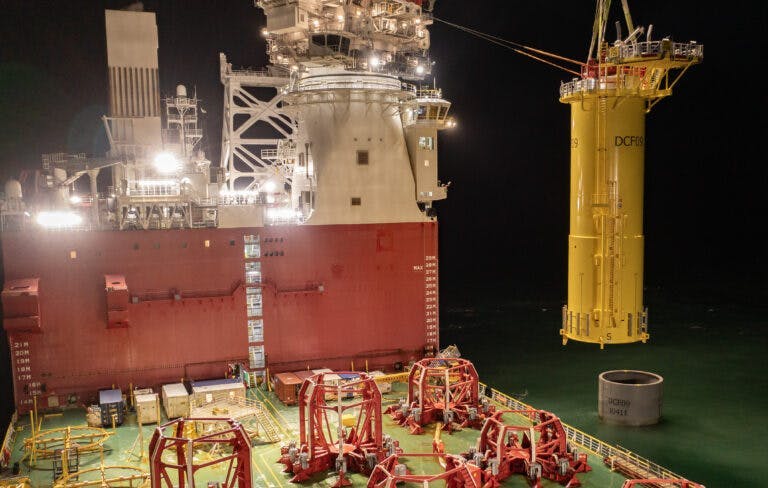
Seaway7 has completed installation of all 277 transition pieces on the Dogger Bank wind farm monopile foundations in the UK North Sea.
Late last month, the Seaway Alfa-Lift heavy-lift vessel installed the 87th and final transition piece onto its monopile foundation at Dogger Bank C, the third phase of the development.
Previously Seaway7 had installed 95 transition pieces at Dogger Bank A and 95 at Dogger Bank B.
Another of the company’s heavy-lift vessels, Seaway Strashnov, had earlier set down all 277 monopiles for the three project phases.
ICYMI: Offshore wind stories from earlier this week
About the Author
 Jeremy Beckman
Jeremy Beckman
Staff Writer / Editor, Europe
Jeremy Beckman has been Editor Europe, Offshore since 1992. Prior to joining Offshore he was a freelance journalist for eight years, working for a variety of electronics, computing and scientific journals in the UK. He regularly writes news columns on trends and events both in the NW Europe offshore region and globally. He also writes features on developments and technology in exploration and production.
Related
