CCS momentum builds as UK licensing round closes and infrastructure projects advance
Carbon capture and storage (CCS) activity continues to ramp up across the UK and Europe, with bids submitted under the UK’s second carbon storage licensing round and multiple projects advancing through appraisal, engineering and infrastructure development.
Recent milestones span seabed licensing, offshore platform conversion and front-end engineering and design (FEED) awards.
Bids close for UK’s second carbon storage licensing round
Various companies have submitted bids for a total of more than 2 million acres of seabed under the UK’s second carbon storage licensing round.
The UK’s North Sea Transition Authority (NSTA) launched the round last December, after receiving expressions of interest and following consultations with The Crown Estate, Crown Estate Scotland and other seabed users.
To date the NSTA has issued four storage permits for projects in the UK central North Sea and the East Irish Sea: Endurance and HyNet.
The permit for the Track 1 project Endurance, offshore Teesside, northeast England, enables the partners to progress the development toward a potential first subsea injection date in 2028.
HyNet, the second Track 1 project, secured three storage permits, with first injection also targeted in 2028.
Noble Corp. recently spudded an appraisal well for Endurance, which followed an earlier well spudded at the decommissioned Hewett gas field in the southern UK North Sea for the Bacton CCS project.
Tampnet managing remote communications for Dutch Porthos CCS platform
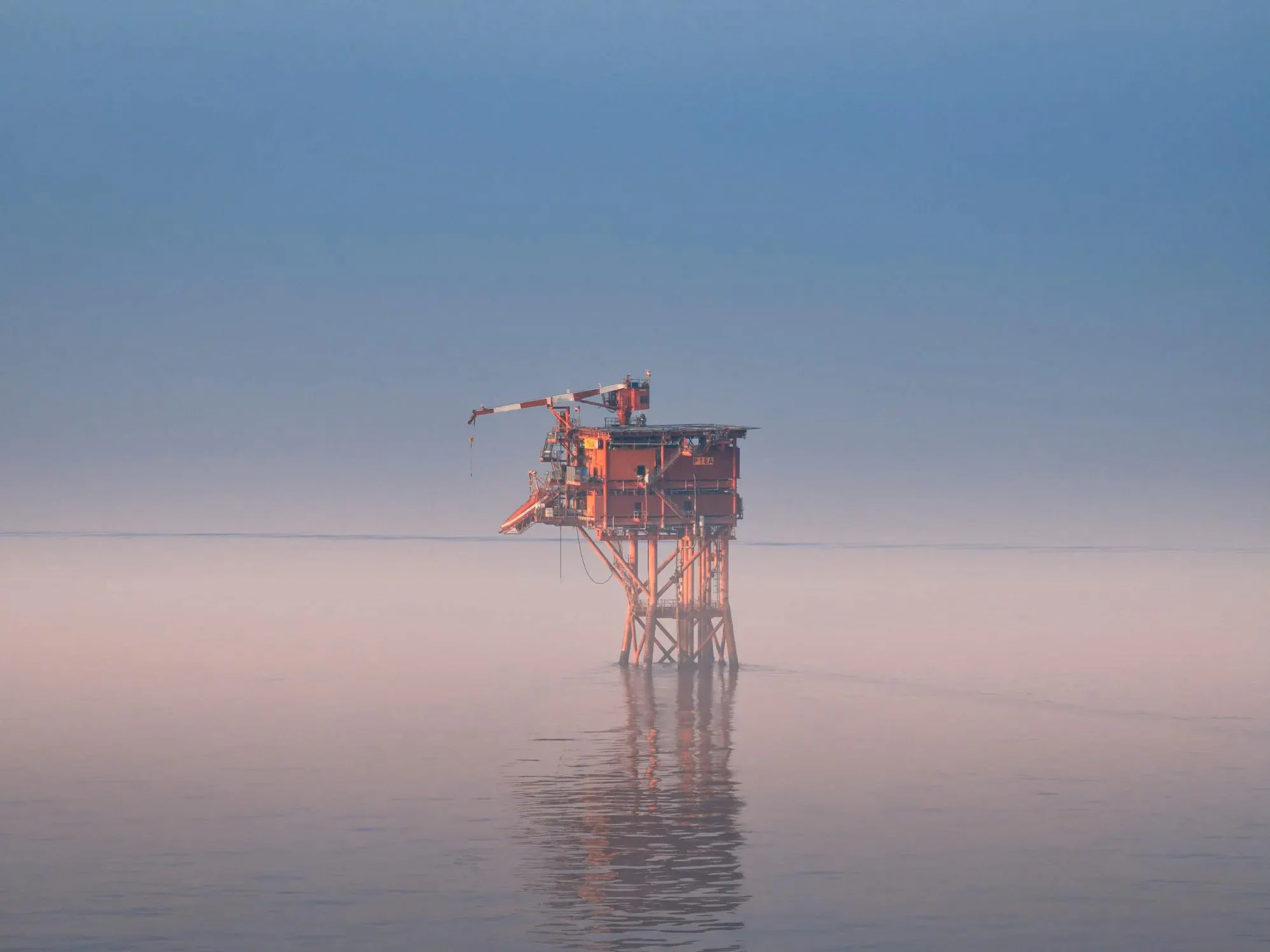
In other European CCS developments, Porthos CO2 Transportation and Storage has contracted Tampnet to provide communication services for the first CO2 injection platform in the Dutch North Sea.
The former P18-A gas production platform is undergoing conversion to an unmanned CO2 injection facility.
Tampnet will provide and operate the platform’s communications infrastructure under a cooperation with the Porthos partners. The proposed service will support operational needs and should enable continuous monitoring and remote control of the platform from shore.
Huib Fenenga, country manager at Tampnet Netherlands, said, "We will provide a redundant 25 Mbit/s communication solution, which is designed to ensure high availability and operational reliability.”
Porthos involves developing, constructing and operating infrastructure to transport large volumes of CO2 from the Port of Rotterdam industrial cluster for permanent storage in depleted gas fields beneath the North Sea. Operations are due to start later this year.
It is a joint venture between Energie Beheer Nederland (EBN), Gasunie and Port of Rotterdam Authority, and it has funding from the Connecting Europe Facility (CEF) of the European Commission.
CNOOC begins CCUS demonstration project
CNOOC recently reported that operations started at China’s first offshore CCUS demonstration project at the Enping 15-1 oil field.
Additionally, work finished on a feasibility study for the Daya Bay CCS/CCUS Cluster Demonstration Project.
Aker Solutions inks FEED contract for CO2 terminal
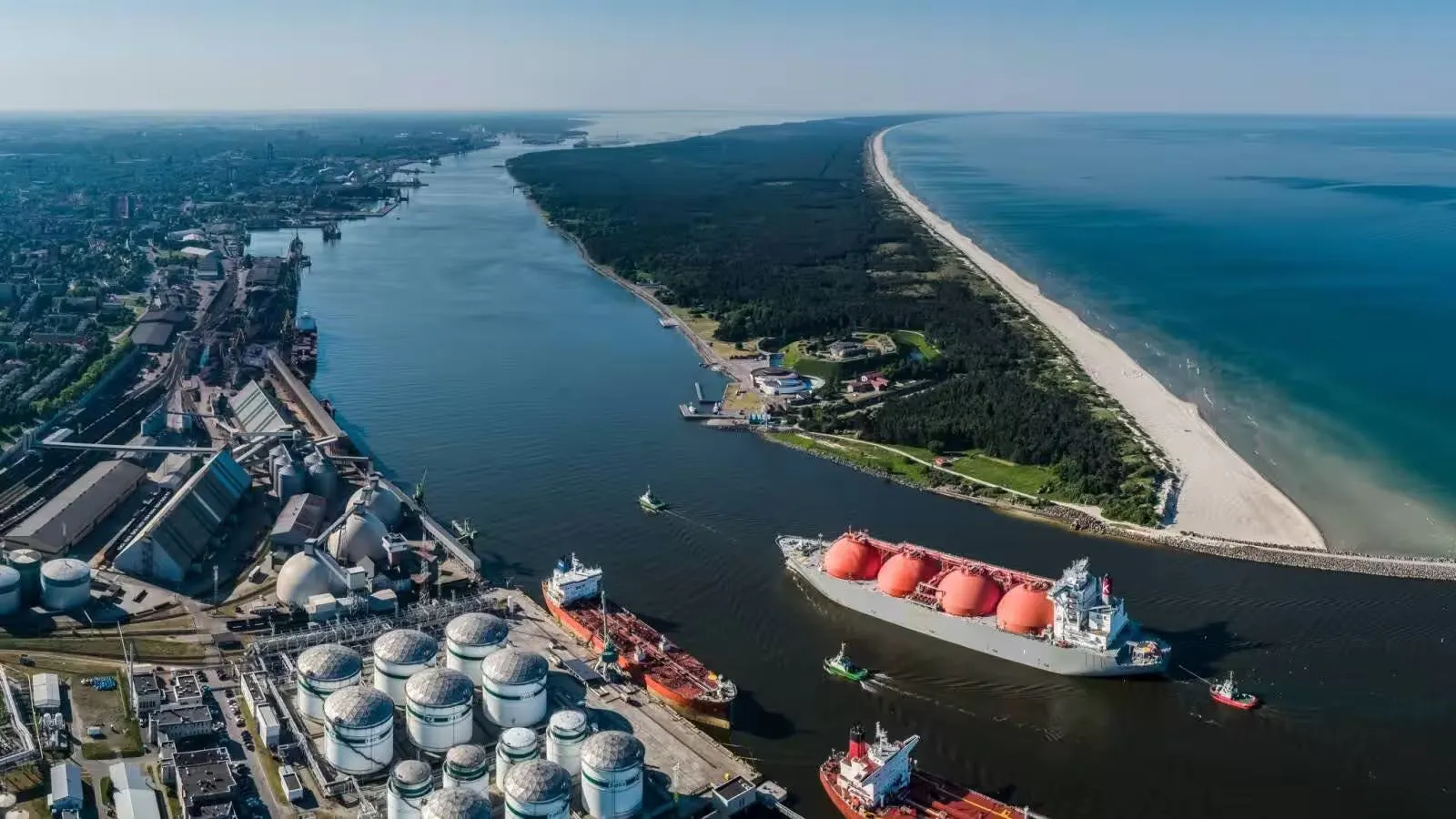
Finally, KN Energies has awarded Aker Solutions a FEED contract to support its CO2 transshipment terminal infrastructure project in Klaipėda, Lithuania.
The project is part of the CCS Baltic Consortium, which is seeking to develop the first cross-border carbon capture, transport and storage network in the Baltic region.
The planned CO2 handling capacity is 2.8 MMt/year, with the CO2 delivered from industrial sites in Lithuania, Latvia and the wider Baltic region for temporary storage before being transported by ship to geological storage sites beneath the seabed in the North Sea.
Aker Solutions’ work scope includes building on the findings from previous assessments for the project to firm up the technical design specification of the planned infrastructure. The company will also evaluate potential expansion routes, drawing on its recent experience with the Northern Lights, Brevik and Oslo CCS projects.
The FEED phase studies, due to be completed this summer, will involve more than 100 Aker Solutions staff located in Norway, India and the UK.
The targeted FID for the Klaipėda project is in 2027, with startup of operations at the terminal expected in 2030.
About the Author

Jeremy Beckman
Editor, Europe
Jeremy Beckman has been Editor Europe, Offshore since 1992. Prior to joining Offshore he was a freelance journalist for eight years, working for a variety of electronics, computing and scientific journals in the UK. He regularly writes news columns on trends and events both in the NW Europe offshore region and globally. He also writes features on developments and technology in exploration and production.