bp launches multi-well intervention program in Azerbaijani Caspian Sea
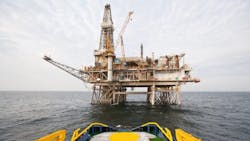
bp has started a multi-well subsea intervention program in the Deepwater Gunashli area in the Azerbaijani sector of the Caspian Sea, according to the company's full-year 2025 results update.
This involves the first deployment of riserless light well intervention (RLWI) technology for the company’s Caspian operations.
Oceaneering International is supplying its Blue Ocean Riserless Intervention System (BORIS), a subsea mechanical wireline intervention development. Use of BORIS should support surveillance and early identification of opportunities for pressure management and production rate enhancement, bp added, helping it unlock further potential at the Azeri-Chirasg-Deepwater Gunashli (ACG) Field.
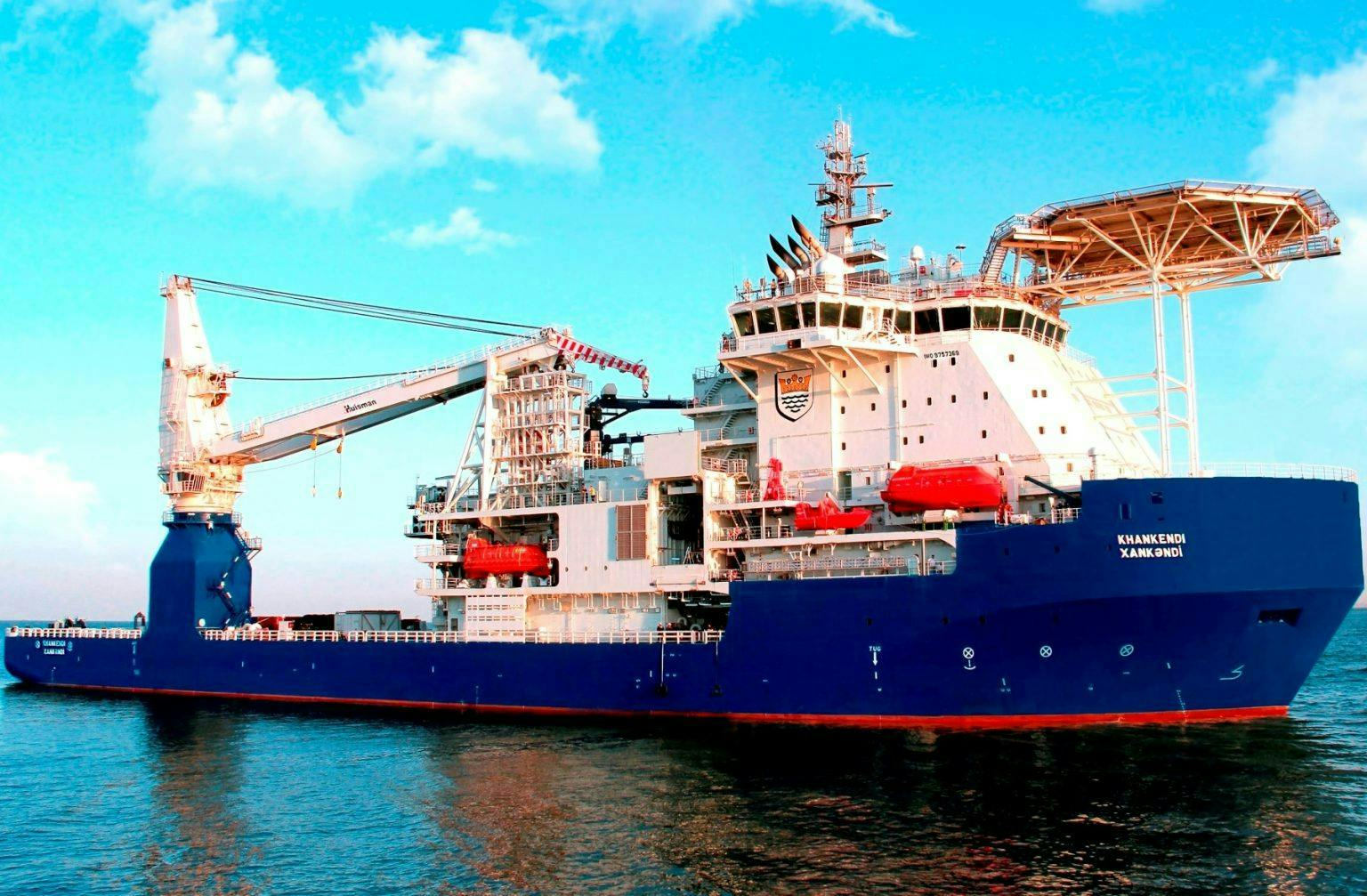
This is also the first vessel-based intervention program in the Caspian, the company said; the intention is to reduce reliance on more cost-intensive semisubmersible rigs. The RLWI system has been integrated onto the Khankendi subsea construction vessel, from which all interventions are guided.
Offshore operations should conclude by the end of the year.
During 2025, an initial production well was safely drilled from the ACG’s West Chirag platform, the first following signing of the ACG NAG (non-associated gas) addendum in 2024.
The well successfully accessed two priority NAG deep reservoirs (the shallower NKP and the deeper PK, which are both beneath the currently producing oil reservoirs), confirming the presence of gas resources in the NKP reservoir. This is the partners’ main target reservoir for first NAG production, which they plan to start in the second half of this year.
In addition, the well encountered high-pressure gas in the PK reservoir. There are plans to produce from this reservoir too before mid-year, but solely on a short-term testing basis before attention switches to the NKP reservoir.
Drilling continues for Shah Deniz 2 development
Elsewhere in the Azerbaijani sector, further well perforation work began in late 2025 at the Shah Deniz gas-condensate field following a full rig restart at the Shah Deniz Alpha platform.
Development drilling continues for the Shah Deniz 2 development using the Istiglal and Heydar Aliyev rigs. To date, 23 wells have been drilled comprising five on the North flank, five on the West flank, four on the East South flank, five on the West South flank, and four on the East North flank.
OBN and seismic surveys underway
In June 2025, bp joined and became operator of both the existing risk service agreement for development of the offshore Karabagh Field, and the PSA covering exploration of potential oilfield developments that could be connected to existing infrastructure in the Caspian.
An ocean-bottom node (OBN) survey is underway over the Karabagh Field to support understanding of the reservoir, well planning and field development strategies, and the work will continue until around the end of May.
In addition, a five-day high-resolution / ultra-high resolution seismic survey should get underway shortly. This will aid identification of geological hazards that could impact well integrity, and subsurface hazards that could affect the safe installation of a platform and other infrastructure.
On the offshore ADUA Block, the initial plan is for a seismic survey (up to 20 days) in water depths ranging from 20 m to 40 m. This will cover a small area in the northwestern part of the block, with shooting imminent.
The main goal is to acquire detailed subsurface data down to a depth of about 1,500 m to support planning of future exploration wells. The results should help the team pinpoint shallow geological hazards, including faults, shallow gas accumulations and other subsurface features that could present risks to drilling operations and well integrity.
More drilling to come
Finally, bp and partners SOCAR and TPAO plan to drill a well at some point to assist evaluation of the offshore Shafag-Asiman Block. The target will be the Lower Surakhany reservoir.
Exclusive content:
 oil and gas operations offshore Egypt
About the Author
 Jeremy Beckman
Jeremy Beckman
Staff Writer / Editor, Europe
Jeremy Beckman has been Editor Europe, Offshore since 1992. Prior to joining Offshore he was a freelance journalist for eight years, working for a variety of electronics, computing and scientific journals in the UK. He regularly writes news columns on trends and events both in the NW Europe offshore region and globally. He also writes features on developments and technology in exploration and production.
Related
