ADIPEC 2026: Psychological safety emerges as the next frontier in offshore HSE
Key highlights:
- Psychological safety is increasingly being recognized as a critical component of offshore risk management, linking workforce wellbeing, human performance and operational safety.
-
Industry leaders are embedding psychological safety into HSE programs through stronger communication, leadership engagement, and proactive management of stress, fatigue and other psychosocial risks.
As offshore operators continue to prioritize process and personnel safety, many are beginning to view psychological safety as a critical component of operational risk management.

According to Shabnum Hanif, an offshore psychologist and CEO/founder of IntrospeXion, employees need to feel comfortable raising concerns, questioning decisions and acknowledging mistakes before small issues escalate into operational incidents.
Speaking with Offshore ahead of ADIPEC 2026, Hanif said the industry's understanding of safety is expanding beyond traditional HSE metrics to include the human factors that influence operational performance and decision-making.
In offshore environments, factors such as stress, fatigue, heavy workloads, isolation and team dynamics can directly affect concentration, communication, judgment and decision-making.
Drawing on her work across the Middle East with offshore organizations, leadership teams and workforce support programs, Hanif said companies are increasingly recognizing the role human factors play alongside traditional HSE systems, particularly in high-risk offshore settings where individual decisions can have significant consequences.
"The next evolution of HSE is therefore not replacing existing systems, but integrating psychological risk into them so that wellbeing, behavioral risk and operational safety are managed together," she said.
Psychological hazards in offshore operations
Hanif identified several psychological hazards that can affect safety and performance during offshore operations:
- Stress and fatigue remain the most significant risks, driven by long shifts, demanding schedules, sleep disruption and sustained operational pressure.
- Rotational work challenges can add strain through extended time away from family and difficulties transitioning between offshore and home life.
- High-pressure projects often increase anxiety, uncertainty, workload demands and concerns about making mistakes, particularly when deadlines or major operational changes are involved.
- Leadership and communication issues, including poor communication, unclear expectations, interpersonal conflict and low trust, can further elevate psychological risk and affect workforce performance.
According to Hanif, these challenges often become even more acute during incident response situations, when personnel face heightened stress while being required to make critical decisions.
As a result, she said "psychological preparedness and post-incident support are essential."
Human factors in remote offshore operations
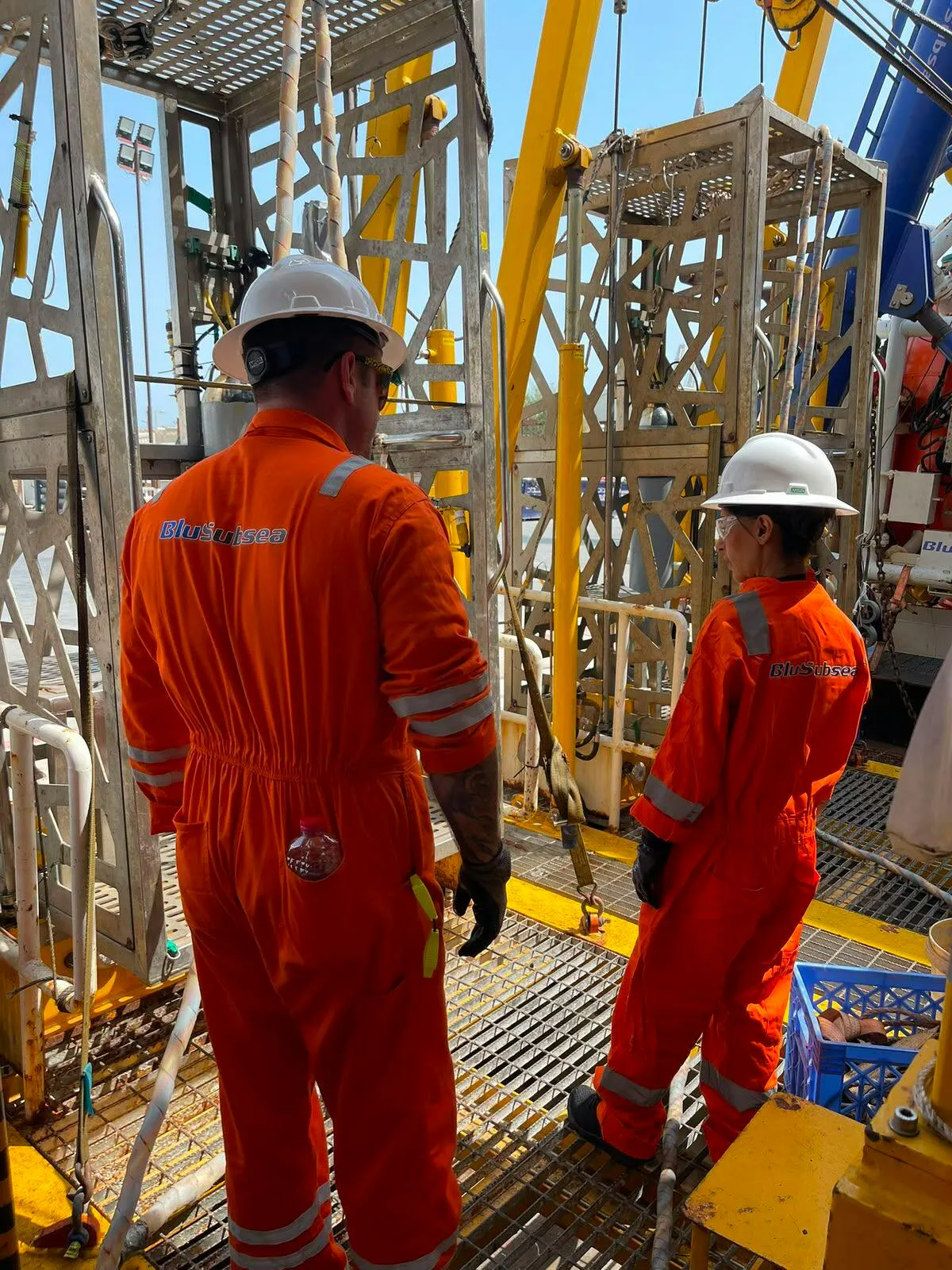
Hanif said remote offshore assignments and rotational schedules can make it difficult for workers to stay connected with family and support networks while operating in environments where operational pressures are constant.
She added that multinational workforces bring valuable expertise, but differences in language, culture, communication styles and views on hierarchy can sometimes discourage personnel from questioning decisions or raising concerns.
According to Hanif, "one of the biggest risks is the gap between what an organization believes it has communicated and what the workforce has actually understood."
In hierarchical settings, even highly capable employees may hesitate to speak up if they fear challenging authority.
She emphasized that leaders must actively encourage feedback, verify understanding and create opportunities for constructive challenge, recognizing that effective communication is a human-factors issue as much as an information-sharing exercise.
Leadership's role in psychological safety
Leading operators are moving beyond policies alone and creating multiple channels through which employees can raise concerns, seek support and speak up before issues escalate.
Hanif pointed to initiatives such as confidential support clinics, leadership training, behavioral-risk programs and expanded access to psychological services, including one UAE energy organization that has introduced an in-house psychologist.
"Psychological safety has to be demonstrated by leaders through behavior: listening without defensiveness, responding consistently and showing that raising a concern leads to constructive action," she added.
Hanif also noted that operators are increasingly linking workforce wellbeing metrics to operational risk assessments rather than treating them solely as HR measures.
Most importantly, she said, "the strongest approach is integrated: psychological safety is embedded into existing HSE and operational systems," with leaders, supervisors and workers all playing a role in identifying and managing psychosocial risks.
 offshore_rig_workers
Psychological safety as a business imperative
Hanif believes psychological safety will increasingly be viewed not as a wellness initiative but as a fundamental element of operational risk management across the Middle East energy sector.
As companies manage diverse, multinational workforces, she expects greater emphasis on approaches that account for cultural differences, communication styles and varying levels of comfort with speaking up.
"The direction of travel is toward more proactive measurement and earlier intervention, using workforce insight to identify stress, fatigue and psychosocial risk before they translate into absence, disengagement, errors or performance decline," she said.
Creating this type of environment is both a human responsibility and a business imperative, Hanif added.
"Psychological safety should become part of the same conversation as physical safety," she concluded, helping create workplaces where employees can raise concerns, perform effectively and contribute to safer, more reliable operations.
ADIPEC 2026:
Offshore is an official media partner of ADIPEC.
The event will take place Nov. 2-5 in Abu Dhabi. For more information about this article's topic, visit with the IntrospeXion team at ADIPEC:
- Shabnum Hanif, Founder & CEO
- Natalie Robson, Head of Corporate Psychology & Performance, GCC
- Mharc Alonzo, Operations Executive
Missed the event last year?
We've got you covered: ADIPEC 2025 Special Report
About the Author
 Ariana Hurtado
Editor-in-Chief
With more than a decade of copy editing, project management and journalism experience, Ariana Hurtado is a seasoned managing editor born and raised in the energy capital of the world—Houston, Texas. She currently serves as editor-in-chief of Offshore, overseeing the editorial team, its content and the brand's growth from a digital perspective.
Utilizing her editorial expertise, she manages digital media for the Offshore team. She also helps create and oversee new special industry reports and revolutionizes existing supplements, while also contributing content to Offshore's magazine, newsletters and website as a copy editor and writer.
Prior to her current role, she served as Offshore's editor and director of special reports from April 2022 to December 2024. Before joining Offshore, she served as senior managing editor of publications with Hart Energy. Prior to her nearly nine years with Hart, she worked on the copy desk as a news editor at the Houston Chronicle.
She graduated magna cum laude with a bachelor's degree in journalism from the University of Houston.
Related
 training exercise for offshore oil and gas workersoffshore_rig_workers
