North Sea operators push ahead on projects as EnQuest prepares UK exit
Why this news matters:
-
EnQuest's planned sale highlights the ongoing shift of mature North Sea assets to specialist operators.
-
New gas developments such as Platypus could help support future UK domestic energy supplies.
-
Rosebank and Statfjord A illustrate the basin's dual focus on new production and large-scale decommissioning.
M&A activity, field developments and major decommissioning projects continue to reshape the North Sea landscape. Recent updates include EnQuest's planned exit from the UK sector, continued progress on the Rosebank development, Perenco's proposed Platypus gas project, and preparations for the dismantling of Statfjord A.
EnQuest exits UK North Sea in $960M asset sale
NEO NEXT+ Energy Upstream UK has agreed to acquire EnQuest’s UK upstream business, subject to regulatory approvals.
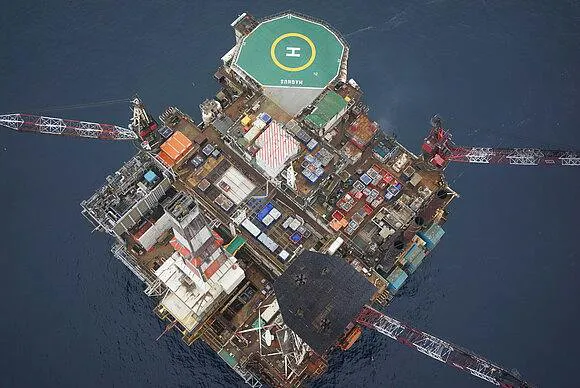
Combined production from the assets last year averaged 31,100 boe/d.
The package also includes operatorship of the undeveloped heavy-oil Bentley and Bressay discoveries, and further interests in the offshore Northern Leg Gas Pipeline and the Ninian Pipeline System.
Employees supporting these operations will transfer to the new owner.
Following completion of the proposed sale, EnQuest Group will be a Southeast Asia-focused E&P company with production, development and exploration assets in Malaysia, Vietnam, Brunei and Indonesia, and associated Carbon Capture Utilisation and Storage (CCUS) interests.
Aside from UK approvals, the transaction remains conditional on the Group completing its acquisition of participating stakes in four PSCs offshore Malaysia, first announced in June.
EnQuest ceo Amjad Bseisu said the business that remains would have “a materially lower cost base and significantly enhanced balance sheet strength to pursue both organic investment and further value-accretive acquisitions across Southeast Asia”, with overall production of around 70,000 boe/d.
Production has increased this year through adding further gas volumes from the Seligi concession offshore Malaysia.
Rosebank moves closer to production amid regulatory uncertainty
Equinor and partner Ithaca Energy are working on the basis that their Rosebank field development northwest of the Shetland Islands will receive final approval from the UK government by the end of this year.
They continue to anticipate first production in the first half of next year, Ithaca reported in its latest quarterly update.
DP1, the first subsea production well, has been drilled and completed with the subsea tree installed. Drilling operations continue on the second subsea well.
Other subsea milestones include completion of the riser pull-in and tie-in of the export systems, with further commissioning work scopes ongoing.
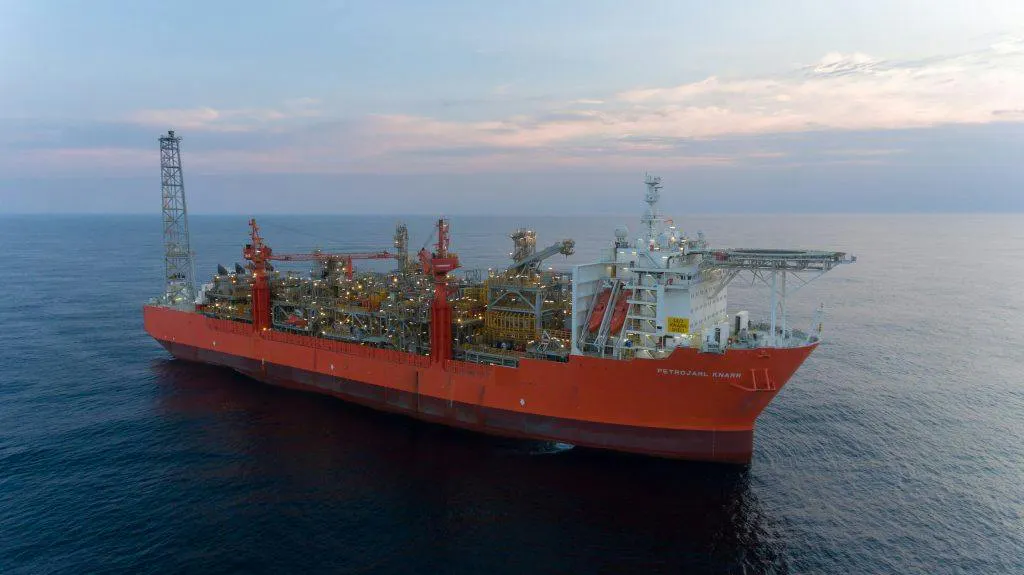
Onboard the FPSO, which was moored at the offshore location in June, preparations for readiness for production of hydrocarbons will continue into 2027.
Assuming regulatory approvals do come through, this would enable well testing activities and optimisation of the drilling program ahead of first oil.
Ithaca advances broader UK growth plans
Elsewhere in the west of Shetland region, Ithaca aims to take FID on the Tornado development in Q1, 2027, having secured vessel slots and long-lead equipment items. The company is also maturing development scenarios for the Suilven and Tobermory discoveries.
Ithaca is resuming both Infrastructure led exploration (ILX) and production-led exploration (PLX) on other licenses in the UK North Sea, to support its next planned developments.
The company will look to drill the high-potential FB6 well next year on the Cygnus gasfield, with the Constellation prospect in the Greater Cygnus Area under review for drilling in 2028/29.
And following authorisation of a three-year extension to the P2399 license, containing the Peach discovery, an appraisal well could be drilled in 2027. The J-Area infrastructure could accommodate a future tieback.
Perenco advances Platypus gas development
Perenco UK has submitted an Environmental Statement for a proposed development of the Platypus gas field in the UK southern North Sea.
The location is in Blocks 47/5b and 48/1a, 67 km from the East Yorkshire coast, in water depths of 38-46 m. Platypus was discovered in 2010.
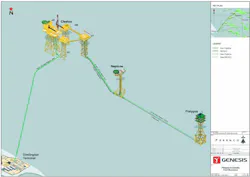
According to Britain’s Offshore Petroleum Regulator for Environment and Decommissioning (OPRED), the proposal calls for two new gas wells and the installation of a minimal facilities platform, tied back to the existing Neptune installation via a new 16.5-km 12-inch gas export pipeline and a new 16.5- km 3-inch methanol pipeline.
On arrival at Neptune, Platypus’ production fluids would be commingled with production from the Neptune, Mercury, Eris and Ceres fields before proceeding through existing pipeline routes to the Cleeton complex in Block 42/29, and onwards to the onshore Dimlington gas terminal.
The development would also involve brownfield modifications on Neptune and Cleeton.
Perenco aims to install the Platypus MFP by Q2 2029 with drilling and pipelay conducted between Q2 and Q4 2029, followed by first gas.
Statfjord A decommissioning plans move ahead
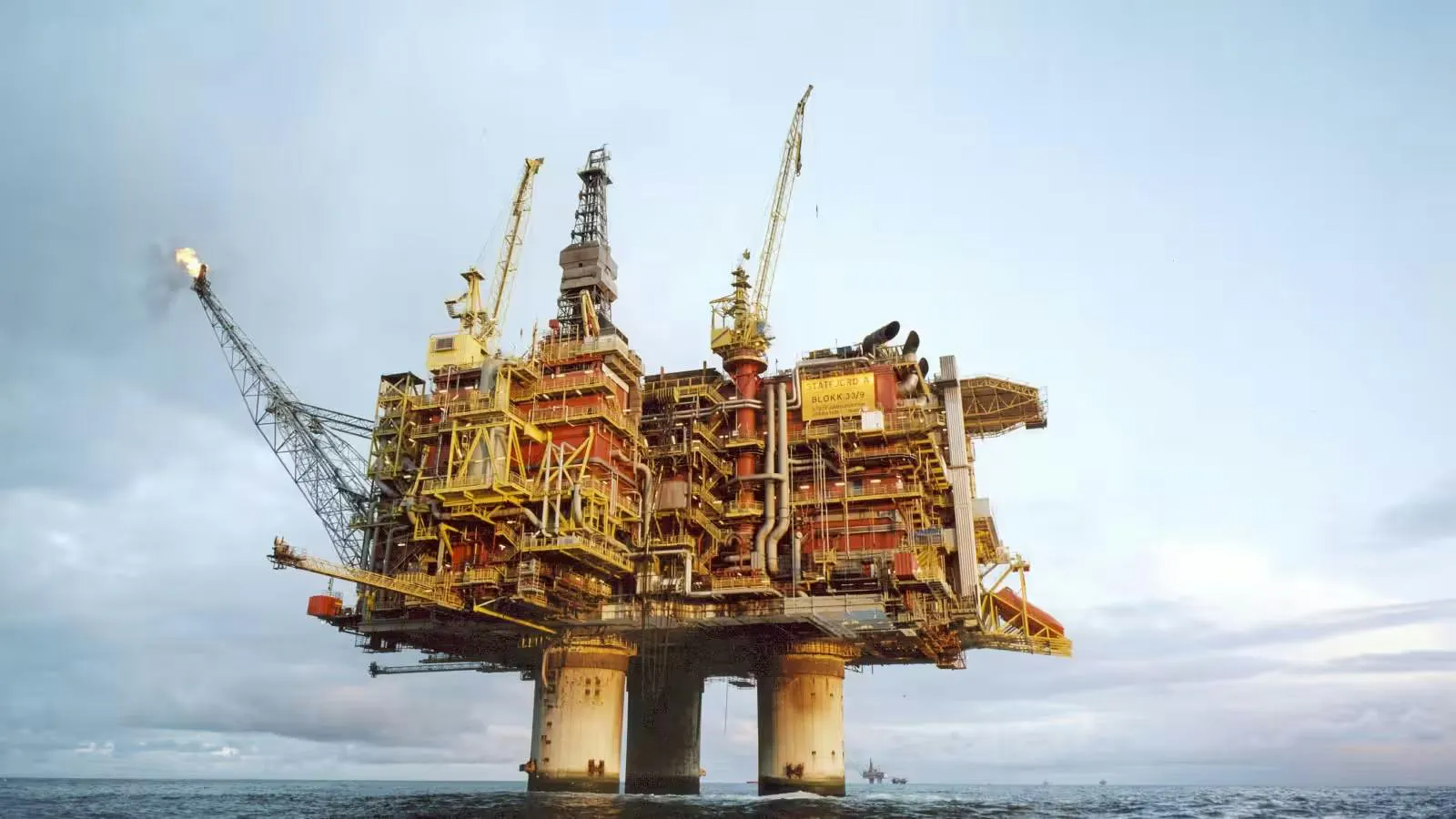
Allseas has issued a letter of intent (LOI) to Aker Solutions for dismantling and recycling the topside from Equinor's Statfjord A platform in the Norwegian North Sea.
The Stord yard in western Norway, which built the platform in the mid-1970s, will undertake the work.
Statfjord A’s topside was prepared for installation on the concrete gravity base structure at the field location in 1976.
As the original builder, Aker Solutions says it has detailed knowledge of the structure, supported by experience from maintenance, modification and life-extension work over the past decades.
The LOI covers disposal-related preparations, reception, dismantling and recycling of the 50,000-metric ton topside, which the Pioneering Spirit is contracted to remove.
The facilities should arrive at Aker Solutions' decommissioning site at Stord between 2029 and 2031, with dismantling and recycling expected to last around two years, employing around 100 staff at the yard.
About the Author
 Jeremy Beckman
Staff Writer / Editor, Europe
Jeremy Beckman has been Editor Europe, Offshore since 1992. Prior to joining Offshore he was a freelance journalist for eight years, working for a variety of electronics, computing and scientific journals in the UK. He regularly writes news columns on trends and events both in the NW Europe offshore region and globally. He also writes features on developments and technology in exploration and production.
Related