LLOG defers production restart through Who Dat manifold

LLOG has deferred restoration of production from the Who Dat E manifold to the second half of 2027 following a technical review, while upcoming Gulf of Mexico well startups and production gains from Brazil's Baúna Field help support near-term output.

Why this news matters:

  • Production growth at Who Dat has been delayed, with restoration of output from the E manifold now pushed into the second half of 2027 following LLOG's decision not to resume production through the system this year.
  • Near-term Gulf of Mexico production performance will depend on new well additions, including the upcoming A-1 ST startup and planned G-1 ST sidetrack, helping offset some deferred volumes.

  • The update highlights the operational challenges and costs associated with mature offshore assets, as both Gulf of Mexico remediation work and Baúna well interventions require ongoing investment to sustain production.


Karoon Energy has reported mixed operating results across its Gulf of Mexico and Brazil portfolios, with production restoration at the Who Dat Field delayed by remediation work while output from the Baúna Field has increased following a successful well intervention.

Who Dat remediation delays production recovery

LLOG Exploration Co. has decided not to reinstate production this year through the Who Dat E manifold in the US Gulf of Mexico, following a recent technical review.

However, the company is working on a remediation plan to restore the deferred production, according to partner Karoon Energy. This includes removal of the failed riser, scheduled for some time in the current quarter of 2026. 

Production through the E manifold production will now likely be restored in the second half of 2027.

The A-1 ST well is due to startup shortly, followed by operations on the G-1 ST well during the fourth quarter, pending approvals to accelerate drilling of the sidetrack. 

Baúna intervention boosts Brazil output

In its latest update concerning the ongoing Baúna development in the southern Santos Basin offshore Brazil, the SPS-92 well is back in service and producing about 8,000 bbl/d of oil.

This follows a successful rig-based intervention to replace the well’s failed electrical submersible pump. Overall production from the field is 20,500 bbl/d.

A further uplift of 1,000 to 2,000 bbl/d should occur once the PRA-2 well is back online, with operations to reconnect the umbilical recently in progress.

Final intervention costs were higher than expected due to weather downtime, wellbore debris and equipment-related non-productive time.

Exclusive content:

ID 112145659 © Harris Hamdan | Dreamstime.com
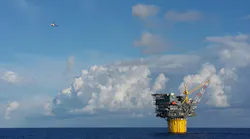
A helicopter transports crew to an oil and gas floating production and storage spar in the Gulf of Mexico.
Featuring expert interviews and market analysis, the report explores the evolving landscape of the Gulf of Mexico, emphasizing safety, technology adoption and strategic project...
April 30, 2026
ID 130723756 © Ranimiro Lotufo Neto | Dreamstime.com
oil and gas operations offshore Brazil
This report offers a comprehensive overview of Brazil's offshore oil and gas industry in 2025, highlighting exploration successes, technological advancements and strategic developments...
Sept. 12, 2025

About the Author

Jeremy Beckman

Editor, Europe

Jeremy Beckman has been Editor Europe, Offshore since 1992. Prior to joining Offshore he was a freelance journalist for eight years, working for a variety of electronics, computing and scientific journals in the UK. He regularly writes news columns on trends and events both in the NW Europe offshore region and globally. He also writes features on developments and technology in exploration and production.

Sign up for our eNewsletters
Get the latest news and updates