FPSO models, risk alignment and standardization reshape offshore project financing
Key highlights:
- Offshore project financing now incorporates life-cycle economics, emphasizing long-term performance and operational resilience alongside traditional funding structures.
- Execution certainty, including schedule and cost confidence, has become critical for securing project financing amid inflation and geopolitical uncertainties.
- Decarbonization is integrated early in project design, influencing engineering choices and attracting sustainability-focused investment.
- Risk allocation is shifting toward shared responsibility, with FPSO providers taking on broader roles to enhance project bankability and stakeholder alignment.
- Standardization of designs and supply chains aims to improve predictability and reduce costs, but must be balanced with field-specific requirements for optimal results.
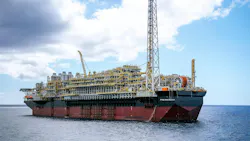
This article published in the Financing Offshore Oil and Gas Projects Special Report 2026.
Offshore project financing is entering a more complex phase as operators, contractors and lenders navigate a higher-cost environment shaped by inflation, supply chain constraints and energy transition pressures. While financial structures like FPSO leasing remain central, the focus has broadened. Investors are increasingly scrutinizing how projects will perform over decades, not just how they are funded.
For FPSO providers such as MODEC, this shift is redefining the role of financing within offshore developments. According to Soichi Ide, head of the company's Floating Production Solutions Business Unit, financing today is only one piece of a broader equation that includes execution certainty, life-cycle economics and operational resilience.
FPSO leasing evolves into a life-cycle financing tool
FPSO leasing and long-term charter models continue to serve as a critical mechanism for enabling deepwater projects, particularly in capital-constrained environments. By shifting upfront capital expenditure (capex) into operating expenditure (opex), these structures help operators manage risk and allocate capital more flexibly.
However, their role has expanded beyond simple financing mechanics.
“Long-term charter model has two important characteristics, i.e. as a financial means to convert operator’s pre-production phase capex to post-production phase opex, and as a turn-key full partnership model,” Ide said.
As project costs rise, stakeholders are taking a more holistic view.
“Financing discussions today extend well beyond the asset itself,” Ide added. “Financing structures remain important, but ultimately they are supported by the strength of the underlying project economics.”
This includes evaluating time to first oil, life-cycle operating costs and long-term production performance. In this context, experienced FPSO providers play a growing role in aligning technical design with financial outcomes.
“An experienced FPSO provider is critical to ensure the facility is designed for reliable operations—not just construction,” he continued.
Execution certainty becomes central to financial close
While the fundamental criteria for project financing remain largely unchanged (e.g., strong resources, credible development plans and financially sound partners), execution certainty has emerged as a differentiating factor.
“We view project economics, execution certainty and long-term performance as the key foundations for achieving financial close,” Ide said.
In today’s market, cost inflation and geopolitical uncertainty have heightened investor sensitivity to delivery risk.
“Investors… place greater value on schedule and cost confidence, delivery capability and the ability to bring production online faster,” he added.
At the same time, there is increasing recognition that value is created throughout the asset lifecycle, not just during development.
“There is also growing recognition that project value is created across the entire lifecycle of an asset," he continued.
This shift reinforces the importance of early alignment between operators and FPSO providers to define development strategies that support both technical and financial objectives.
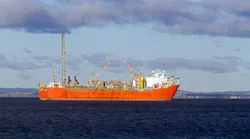
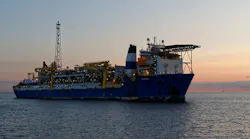 FPSO in the North Sea
Decarbonization moves upstream into project design
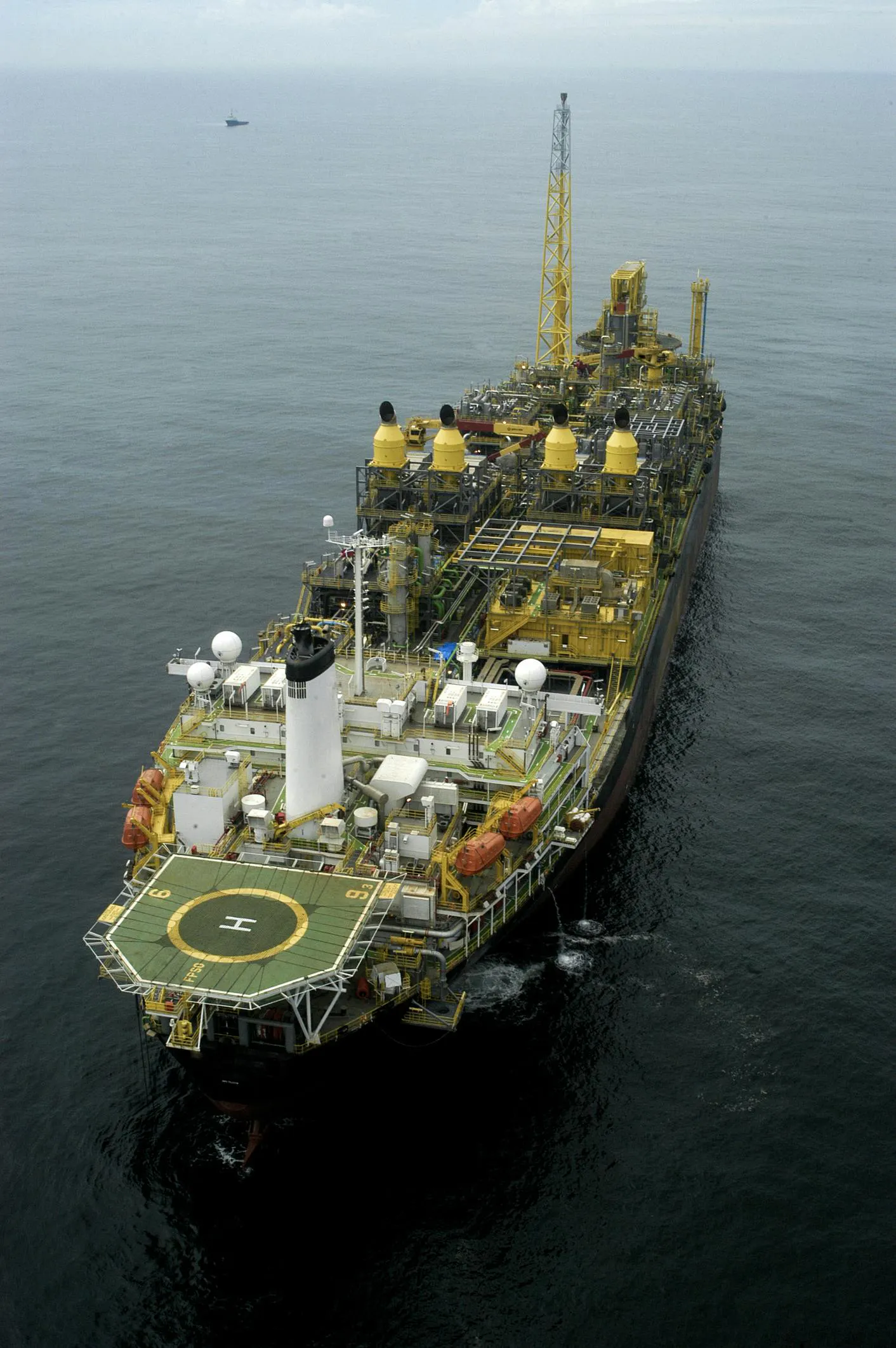
Emissions reduction is now a core consideration in offshore project planning, influencing both engineering decisions and financing outcomes. Rather than being retrofitted, decarbonization measures are increasingly integrated during early project phases.
“Decarbonization considerations are becoming an increasingly important part of FPSO development…,” he said. “Increasingly, these considerations are being incorporated during concept selection and front-end design.”
This includes improvements in power efficiency, flare reduction and the use of digital technologies to optimize operations. For lenders, these factors contribute to long-term project resilience.
“Lenders and investors are paying closer attention to sustainability performance and long-term resilience,” Ide noted.
Projects that balance emissions reductions with operational and commercial performance are more likely to attract financing, reflecting the growing integration of sustainability metrics into investment decisions.
Risk allocation shifts toward alignment, not transfer
In parallel, the industry is rethinking how risk is distributed between operators and contractors. Rather than pushing risk downstream, stakeholders are placing greater emphasis on alignment and shared value creation.
“Excessive transfer of risks… will simply result in increasing price or in the worst case, prevent contractors from responding invitations to bid,” Ide explained.
This reflects a broader trend toward allocating risks to the parties best equipped to manage them, particularly as offshore projects grow more complex.
“The increasing complexity of offshore developments… has reinforced the importance of allocating risks to the parties best positioned to manage them,” he said.
FPSO providers are also taking on expanded roles, including long-term ownership, operations and, in some cases, participation in financing structures.
“We are also seeing FPSO providers play a broader role throughout the lifecycle of a development,” he said.
This deeper involvement can enhance project bankability by aligning incentives across stakeholders and improving confidence in both execution and operations.
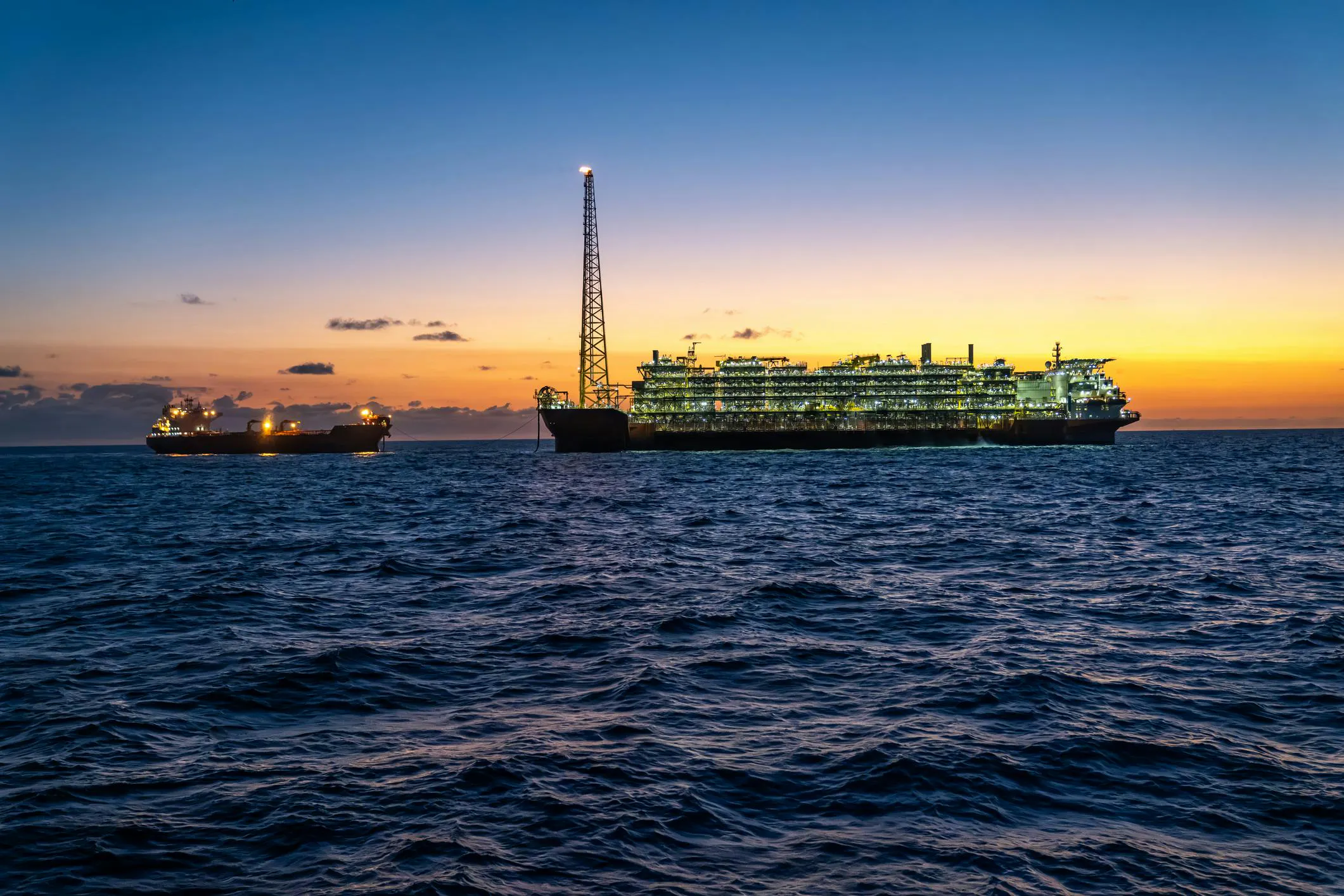
 offshore FPSO operations
Standardization supports bankability but remains nuanced
Standardization is gaining traction as a way to improve schedule predictability, reduce costs and enhance project economics. Repeatable designs and established supply chains can help mitigate execution risk—an important factor for investors.
“The industry is increasingly looking at standardization as a means of improving execution certainty,” Ide said. “Accelerating production can have a meaningful effect on project economics.”
However, Ide cautions that standardization is not a one-size-fits-all solution.
“The key question here is how to standardize,” he added. “Standardization cannot simply mean using same design and equipment.”
Effective approaches require balancing repeatability with field-specific requirements, leveraging experience to optimize both design and operations. This balance ultimately strengthens delivery confidence and, in turn, financing outcomes.
Conclusion
As offshore investment rebounds, financing is no longer just about capital structure; it is about confidence in delivery, performance and long-term value. FPSO leasing models remain foundational, but their success increasingly depends on how well stakeholders integrate technical, operational and financial considerations from the outset.
For developers and investors alike, the projects most likely to move forward will be those that demonstrate not only strong economics, but also a clear, credible pathway to execution and sustained performance over time.
Want more insights from Soichi Ide?
Last year, MODEC’s Soichi Ide chatted with Offshore about current FPSO trends as well as decarbonization strategies, digitalization and the path forward for the offshore energy industry.
This interview was recorded on Aug. 4, 2025.
About the Author
 Ariana Hurtado
Ariana Hurtado
Editor-in-Chief
With more than a decade of copy editing, project management and journalism experience, Ariana Hurtado is a seasoned managing editor born and raised in the energy capital of the world—Houston, Texas. She currently serves as editor-in-chief of Offshore, overseeing the editorial team, its content and the brand's growth from a digital perspective.
Utilizing her editorial expertise, she manages digital media for the Offshore team. She also helps create and oversee new special industry reports and revolutionizes existing supplements, while also contributing content to Offshore's magazine, newsletters and website as a copy editor and writer.
Prior to her current role, she served as Offshore's editor and director of special reports from April 2022 to December 2024. Before joining Offshore, she served as senior managing editor of publications with Hart Energy. Prior to her nearly nine years with Hart, she worked on the copy desk as a news editor at the Houston Chronicle.
She graduated magna cum laude with a bachelor's degree in journalism from the University of Houston.