Johansen: Energy security, peak oil estimates extended and the need to replace naturally declining production remain important drivers. Offshore discoveries can also provide material, long-life resources with competitive economics.
At the same time, better seismic imaging, drilling technology and data analytics are making frontier risk more manageable. Companies are therefore becoming more selective rather than stepping away from exploration—focusing on opportunities with scale, strong economics and competitive emissions performance.
Offshore: How are data integration, AI and analytics changing exploration decisions?
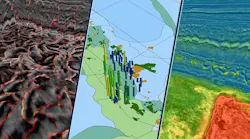
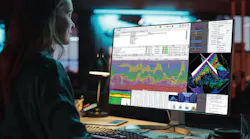
Johansen: Exploration is moving from sequential interpretation toward integrated, data-driven workflows. Seismic, well, geological and regional analog data can now be evaluated together, allowing teams to test more ideas and rank opportunities faster.
AI can accelerate activities such as fault and channel mapping, prospect screening and analog identification. It does not replace the geoscientist; it reduces repetitive work and allows experts to focus on geological reasoning, uncertainty and investment risk. Trusted data, governance and transparent outputs remain critical.