Remote Idun Nord subsea intervention delivers time savings for Aker BP
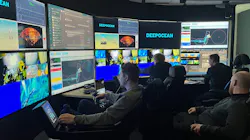
Aker BP has issued more details of a recent stabilization task on the Idun Nord subsea well in the Norwegian Sea, conducted remotely from shore with DeepOcean.
The operation at the field in the Skarv area lasted 12 hours at a location hundreds of meters subsurface. Under traditional, manned intervention, the program would have involved a full offshore rotation of up to 14 days, Aker BP claimed.
The well was stabilized by filling the borehole with gravel. As the Dina Star vessel had originally mobilized to map the seabed around Skarv, not for intervention work, management was switched to the remote operations center (ROC) in Haugesund, from where the team coordinated activities with the crew onboard the vessel in real time.
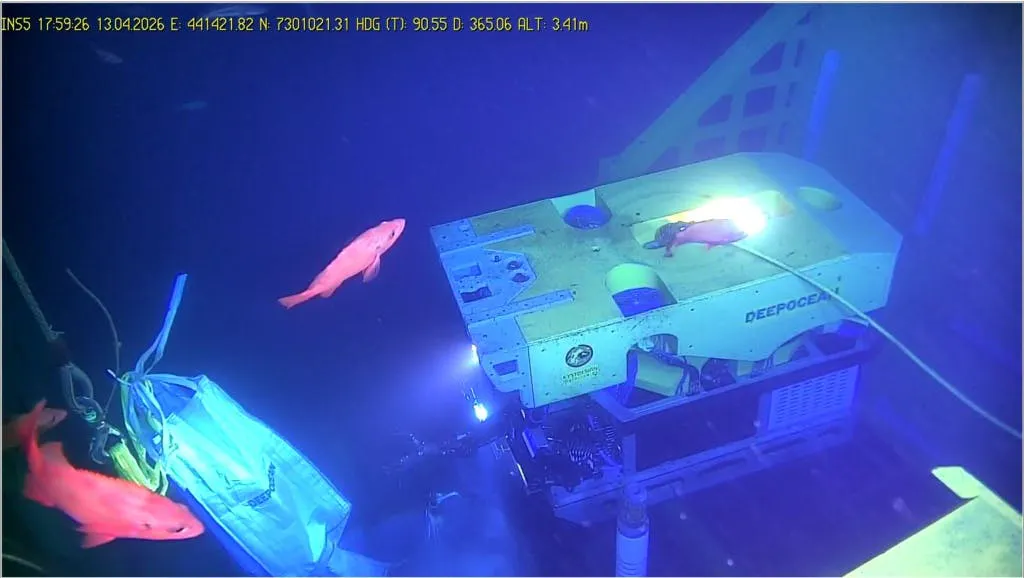
An ROV, also controlled from shore, performed the seabed work.
Jarle Marius Solland, operations manager of Subsea Execution & Survey at Aker BP, cited multiple benefits of the shore-based operation, including fewer personnel sent offshore; the capability to deploy specialist expertise across multiple projects simultaneously; more flexible planning; and reduced time and costs.
“Aker BP’s operating strategy involves drones and robots on platforms and subsea (ROVs) being an integrated part of observation, inspection and task execution offshore," said Thomas Øvretveit, SVP of Operations. “These technologies will operate autonomously or via remote control, either locally or from shore."
Exclusive content:
 remote operations concept
 DeepOcean pipeline inspection
About the Author
 Jeremy Beckman
Jeremy Beckman
Staff Writer / Editor, Europe
Jeremy Beckman has been Editor Europe, Offshore since 1992. Prior to joining Offshore he was a freelance journalist for eight years, working for a variety of electronics, computing and scientific journals in the UK. He regularly writes news columns on trends and events both in the NW Europe offshore region and globally. He also writes features on developments and technology in exploration and production.