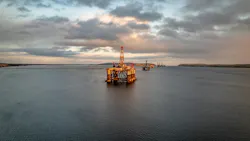
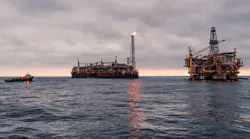
Andy Burnham, set to become the UK’s new Prime Minister on Monday following Keir Starmer’s resignation, is preparing to signal strong support for new oil and gas activity in the North Sea as part of an early policy push.
Multiple reports from major outlets, including the BBC and Bloomberg, confirm that Burnham’s team has directed civil servants to prepare announcements on energy policy, potentially as soon as next week. These measures aim to boost domestic production, enhance energy security, and support jobs in regions like Aberdeen, amid pressures from industry, unions, and shifting global conditions.
Key elements of the new plan include:
- Focus on drilling and development: Plans include fast-tracking approvals for existing or licensed projects, such as the Rosebank oil and gas field and the Jackdaw gas development project. These were previously approved under the Conservatives but faced legal and environmental hurdles.
- Subsea tiebacks: Emphasis appears to be on connecting new production to current platforms rather than issuing entirely fresh exploration licenses, which would align with (or minimally stretch) Labour’s 2024 manifesto pledge not to grant new licenses while honoring existing ones.
The North Sea oil and gas industry has been lobbying intensively for a new policy, citing declining production, rising imports (often with higher carbon footprints), and growing public support.
A recent poll by Offshore Energies UK (OEUK) showed that strong backing for boosting domestic output. Industry groups have argued that such a policy will sustain manufacturing, retain skilled jobs, and boost tax revenues.
Political pressure intensified after Starmer’s exit, with unions and some Labour figures pushing for a pragmatic reset on energy security—especially given the supply tightening seen with he Iran conflict. Burnham is expected to balance this with continued renewable investments.
This development will mark a notable pivot from the previous Labour government’s stricter stance against new licensing.
Details remain subject to final decisions, ongoing consultations, and environmental reviews. Observers will watch Burnham’s first days closely for the precise scope—whether full new licenses or targeted accelerations—and how it fits into longer-term transition plans.