Noise reduction techniques under development in Europe for offshore wind construction
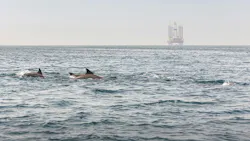
Low‑noise foundation installation is gaining traction across European offshore wind projects with the aim of reducing underwater noise and minimizing impact on marine life.
At Hollandse Kust West, Van Oord has installed monopiles using a combined vibro‑jetting and vibro‑lifting method, and a separate industry consortium in France is developing inflatable acoustic shielding to reduce underwater noise during offshore wind construction.
Vibro‑jetting method tested at full installation scale
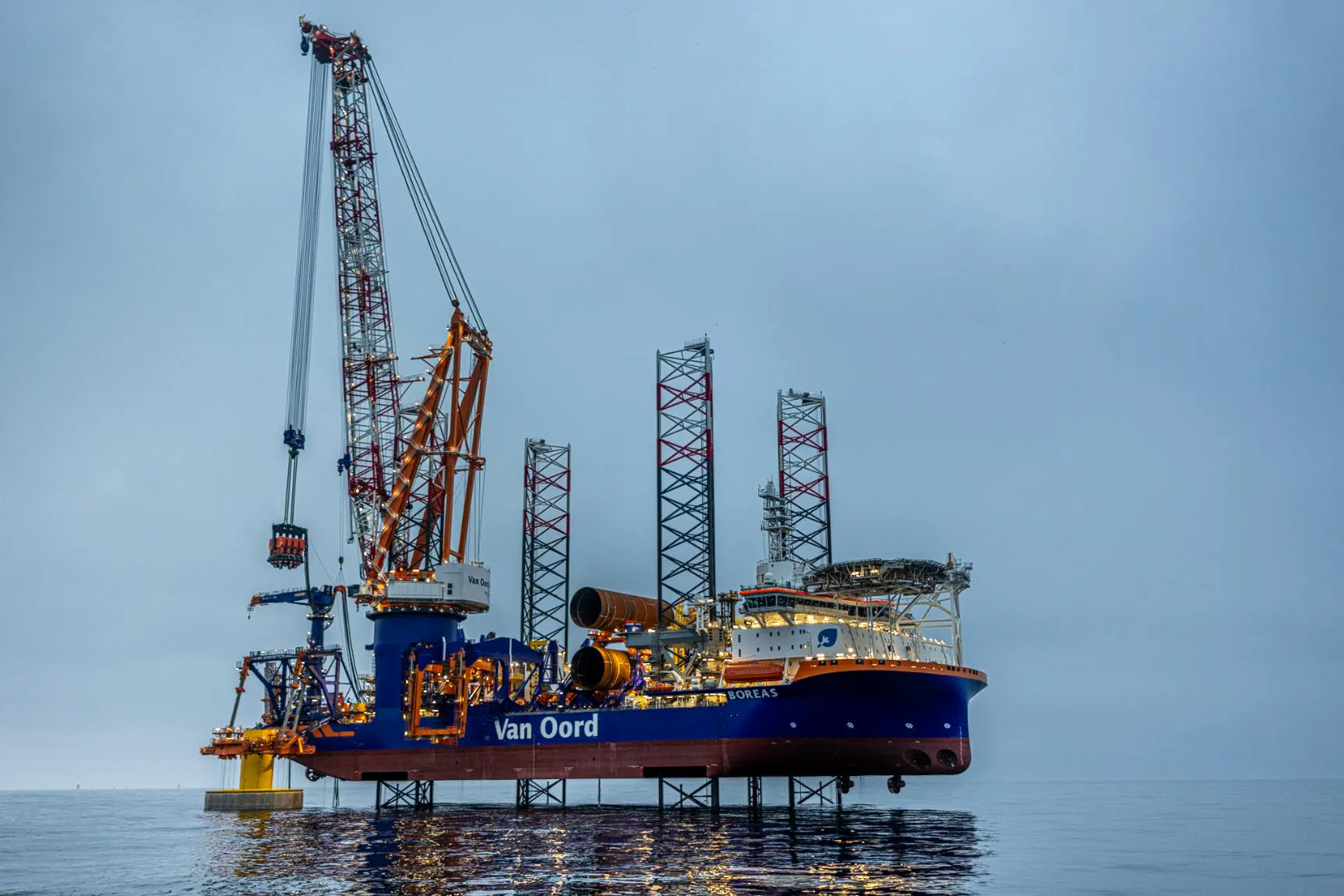
Van Oord has installed three monopile foundations at Ecowende's Hollandse Kust West wind farm development in the Dutch North Sea using a novel offshore noise reduction method.
It combines GBM Works' VibroJet jetting technology with CAPE’s vibro lifting tool. The combination was deployed from Van Oord’s Boreas jackup vessel, which has installed the project’s 52 monopiles.
Ecowende is a joint venture between Shell, Eneco and Chubu. The wind farm, located 53 km from the Dutch coast near IJmuiden, will have an operational capacity of about 760 MW later this year following final commissioning.
Reducing soil resistance while limiting underwater noise
According to Van Oord, VibroJet combines vibrations with controlled water jets inside the monopile to fluidize the soil and reduce resistance. GBM applies understanding of how water jets interact with different soil conditions to enable precise operational control, guided by the Fluidflow prediction model.
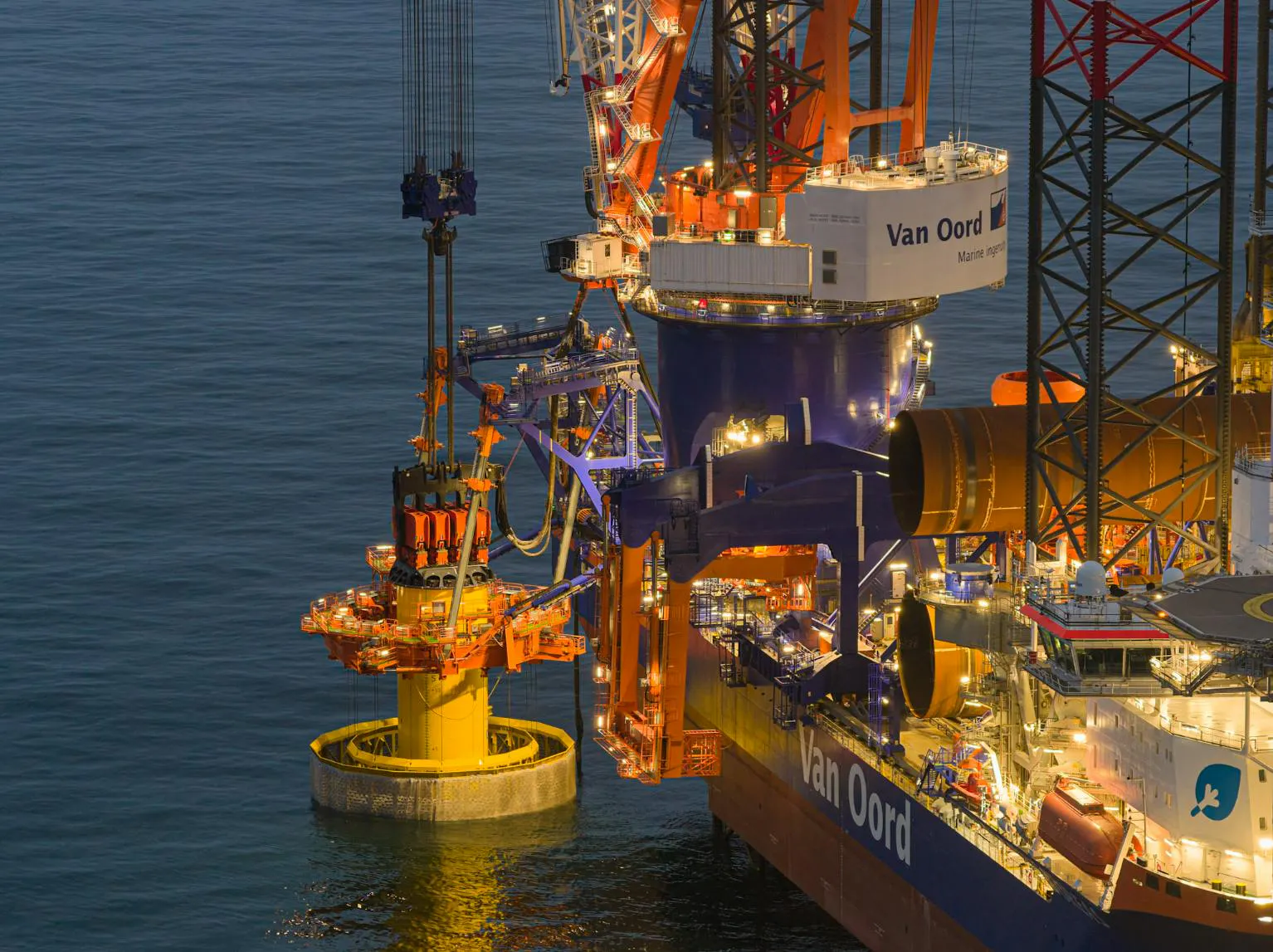
The technology is said to have worked efficiently in the dense sand layers found in the Dutch North Sea.
CAPE Holland's Vibro technology uses vertical vibrations to temporarily reduce soil resistance and allows the monopiles to sink under their own weight.
Installation data to inform future low‑noise techniques
Data compiled during the monopile installations should also help validate predictive models for underwater sound and pile behavior, Van Oord added, leading to expanded deployments of low-noise installation techniques globally.
French consortium pursues alternative noise mitigation concepts
In western France, Chantiers de l’Atlantique, EDF power solutions, Heerema Marine Contractors, Menck, RTE, Sealence and Smulders have joined forces to also develop a noise mitigation system for offshore wind operations.
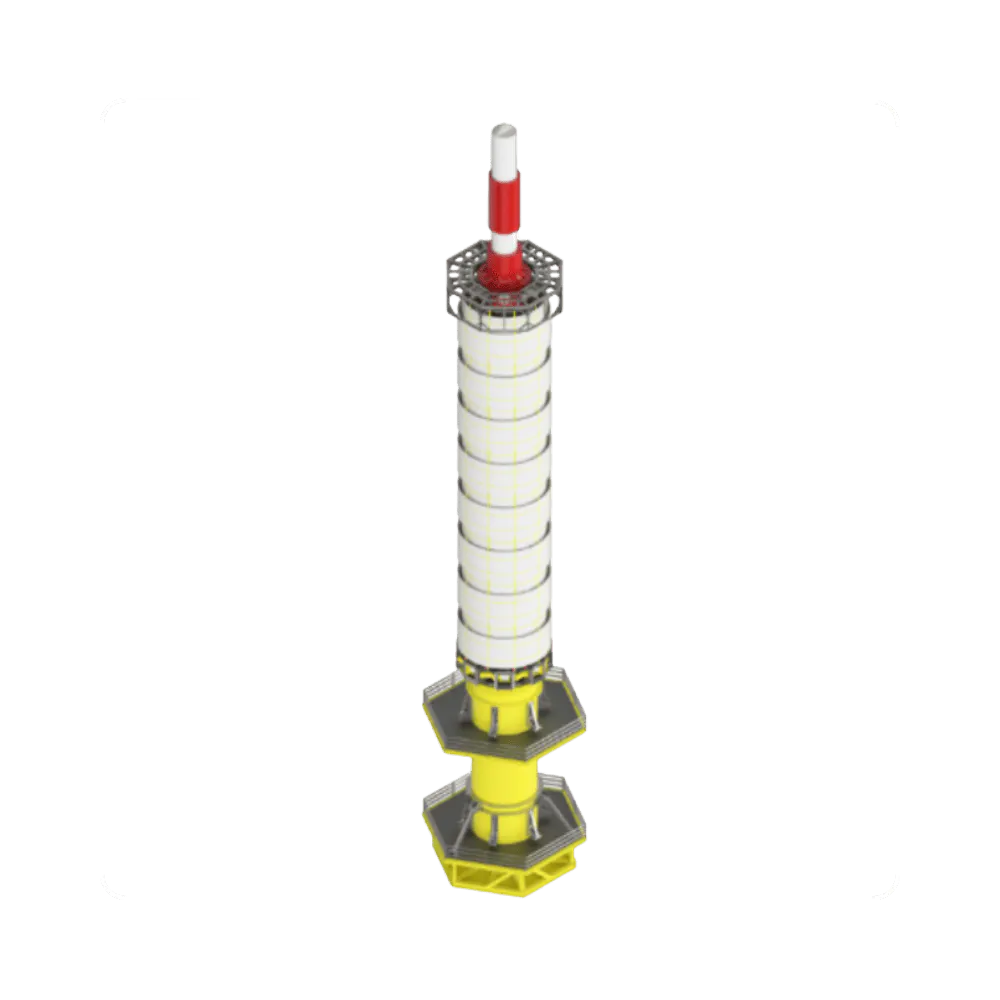
Vessel traffic, sonar use and offshore construction, including wind farm installation, can impact marine life over large distances. The Searénité project aims to adapt the SubSea Quieter technology, developed by Sealance, to reduce underwater noise for floating wind turbine deep anchoring and offshore electrical substation foundations.
The technology uses flexible panels made from an air-inflatable membrane; these panels are deployed underwater around offshore foundations during the installation process, serving as an acoustic shield to limit underwater noise.
For year one of the project, which has funding from the French state, the focus will be on specifying SubSea Quieter for floating wind turbines anchors, offshore substations and wind turbines using jacket-type foundations.
Activities will include design work, acoustic modeling and hydrodynamic behavior analysis under wave and current conditions. In addition, pressurized tank tests will take place to validate acoustic performance down to 300 m water depth.
Subsequent plans include prototype production and testing in 2028 at the Port of Saint-Nazaire, followed by refinement and improvement, and a full-scale demonstration during the installation of an electrical offshore substation.
About the Author
 Jeremy Beckman
Jeremy Beckman
Staff Writer / Editor, Europe
Jeremy Beckman has been Editor Europe, Offshore since 1992. Prior to joining Offshore he was a freelance journalist for eight years, working for a variety of electronics, computing and scientific journals in the UK. He regularly writes news columns on trends and events both in the NW Europe offshore region and globally. He also writes features on developments and technology in exploration and production.