Case study: Delivering a 3 million‑lb landing string for 20k ultradeepwater operations
Key highlights:
- The FASTR 3.0 landing string system was developed to meet the requirements of 20,000-psi exploration in ultradeepwater environments, achieving a record-breaking 2.95 million lbs tensile capacity.
- Extensive testing, including shear, friction weld and combined load assessments, validated the system’s structural integrity and operational reliability under extreme conditions.
- The project overcame supply chain disruptions through virtual collaboration, ensuring timely completion and deployment in the Gulf of Mexico in June 2025.
By Leianne Sanclemente, Superior Energy Services
The oil and gas sector continues to push the limits of technology to meet the demands of deeper, more complex drilling operations.
A landing string plays a critical role in casing and completion operations, serving as a robust connection between surface handling equipment and downhole assemblies to handle the loads and internal diameter requirements.
The growing trend for high-pressure, high-temperature (HP/HT) exploration led to the development of a custom-built 3 million lbs landing string system. Designed to meet rigorous specifications for 20,000-psi (20k) exploration, the FASTR 3.0 landing string system is designed to address the challenges of ultradeepwater environments.
Case history
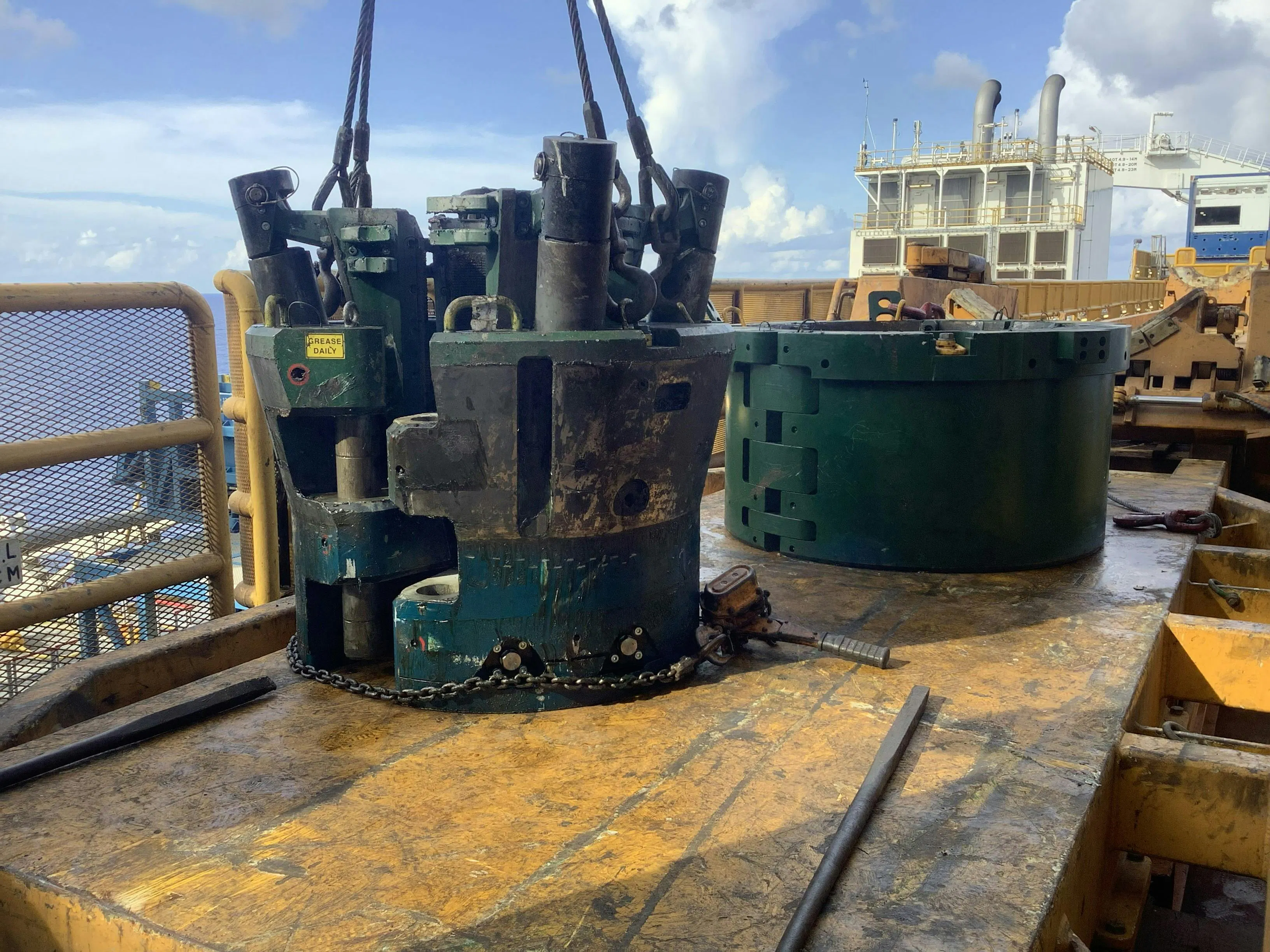
The design challenge for this project was to create a landing string with a tensile capacity of 3 million lbs while maintaining compatibility with standard rig handling systems and ensuring operational integrity under extreme loads. Before this development, existing landing strings only offered up to a 2.5 million lbs capacity, necessitating a new benchmark for deepwater wells.
This system was developed for a 20k project in the Green Canyon area off the Louisiana coast, where water depths reach about 5,000 ft and target well depths can extend beyond 30,000 ft. Current well designs for this region demand handling capacities that exceeded existing solutions.
The landing string system was deployed in June 2025 in the Gulf of Mexico/America to run a 16-inch casing string. Running operations went smoothly. The casing string was landed successfully at a setting depth of about 24,000 ft with 2.639 million lbs of hookload, setting a new industry record for heaviest casing load. The weight indicator recorded a load of 2.849 million lbs, which included the block weight.
Design and development process
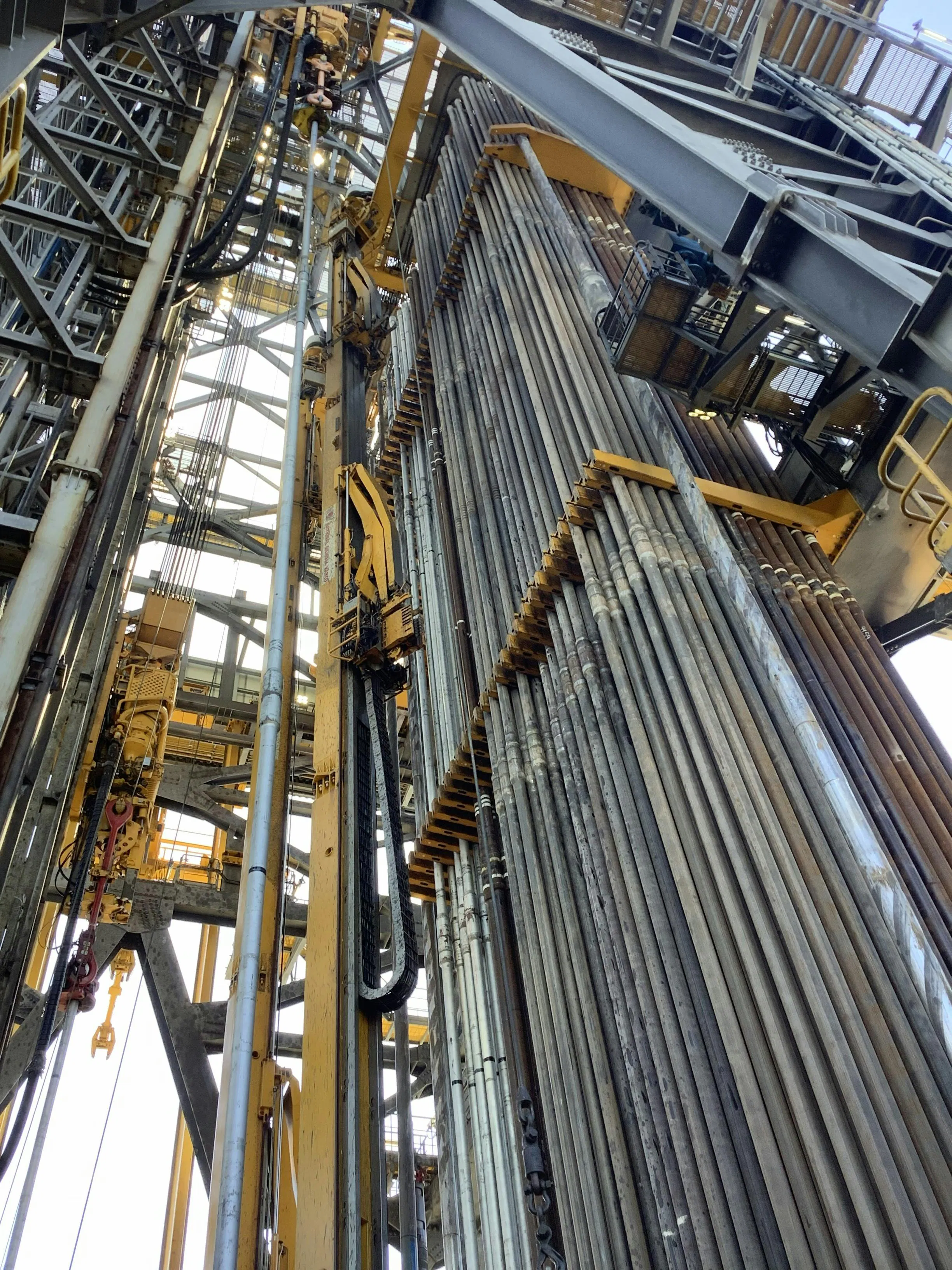
Over the course of seven years, an extensive design, testing and qualification process delivered a landing string capable of meeting these requirements while also establishing a new industry standard.
The core objective was to maximize tensile capacity while minimizing string weight to reduce axial stress and handling loads while providing sufficient design factors for the extreme loads associated with the casing design for this project.
Design criteria included:
- Tensile capacity: Achieve a robust 3 million lbs to meet hookload requirements with a minimum safety margin.
- Inner diameter (ID): Maintain a minimum ID of 3.5 inches for compatibility with casing running equipment and well control equipment.
- Wall thickness: Optimize structural integrity with a tube body wall thickness of 1.093 inches and a 165-ksi specified minimum yield strength (SMYS) steel grade.
- Handling compatibility: Ensure compatibility with rig handling equipment, such as slips, elevators and iron roughnecks, staying below the equipment ratings, and make-up and break-out torque limits.
- Slip-crush resistance: Include a heavy-wall slip-proof section to withstand high slip-crushing loads without compromising pipe integrity.
The development process explored multiple outer diameter (OD) designs, including 6 5/8-inch, 7-inch and 7 5/8-inch sizes. A 6 5/8-inch OD design was ultimately selected, balancing its lifting capacity and compatibility with current blowout preventer (BOP) systems.
Challenges in engineering and development
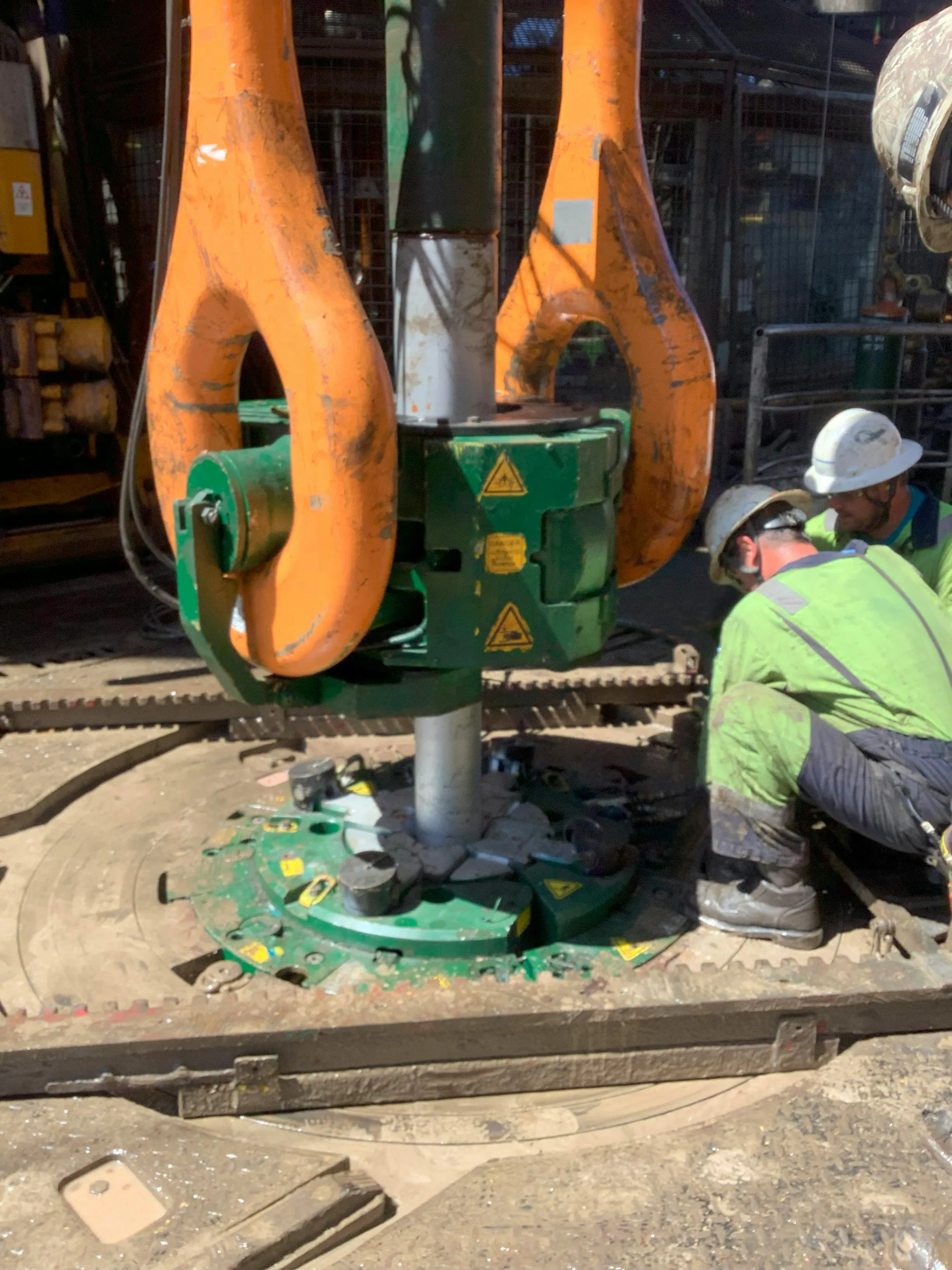
The design of this landing string system presented a series of complex engineering challenges.
Key obstacles included optimizing the box elevator shoulder design to balance hoop stresses and contact areas, which required increasing the taper angle to 45° and adding a 3/32-inch raised elevator edge. These changes reduced hoop stress while increasing load-bearing capacity.
For the accessory safety valve design, an existing 3¾-inch valve canister needed to be scaled down to a 3½-inch configuration, demanding precise engineering to ensure sealing integrity between 0°F and 250°F.
Slip design was another challenge. Modifying an existing 1,250 t slip design to achieve a 1,500 t load capacity required upgrading material grades and redesigning system components.
There were also several supply chain disruptions since the COVID-19 pandemic significantly impacted testing schedules and equipment delivery timelines. Virtual collaboration minimized delays, ensuring project milestones were met on time.
Qualification and testing process
A rigorous qualification process validated the system’s performance under extreme conditions to meet operator requirements.
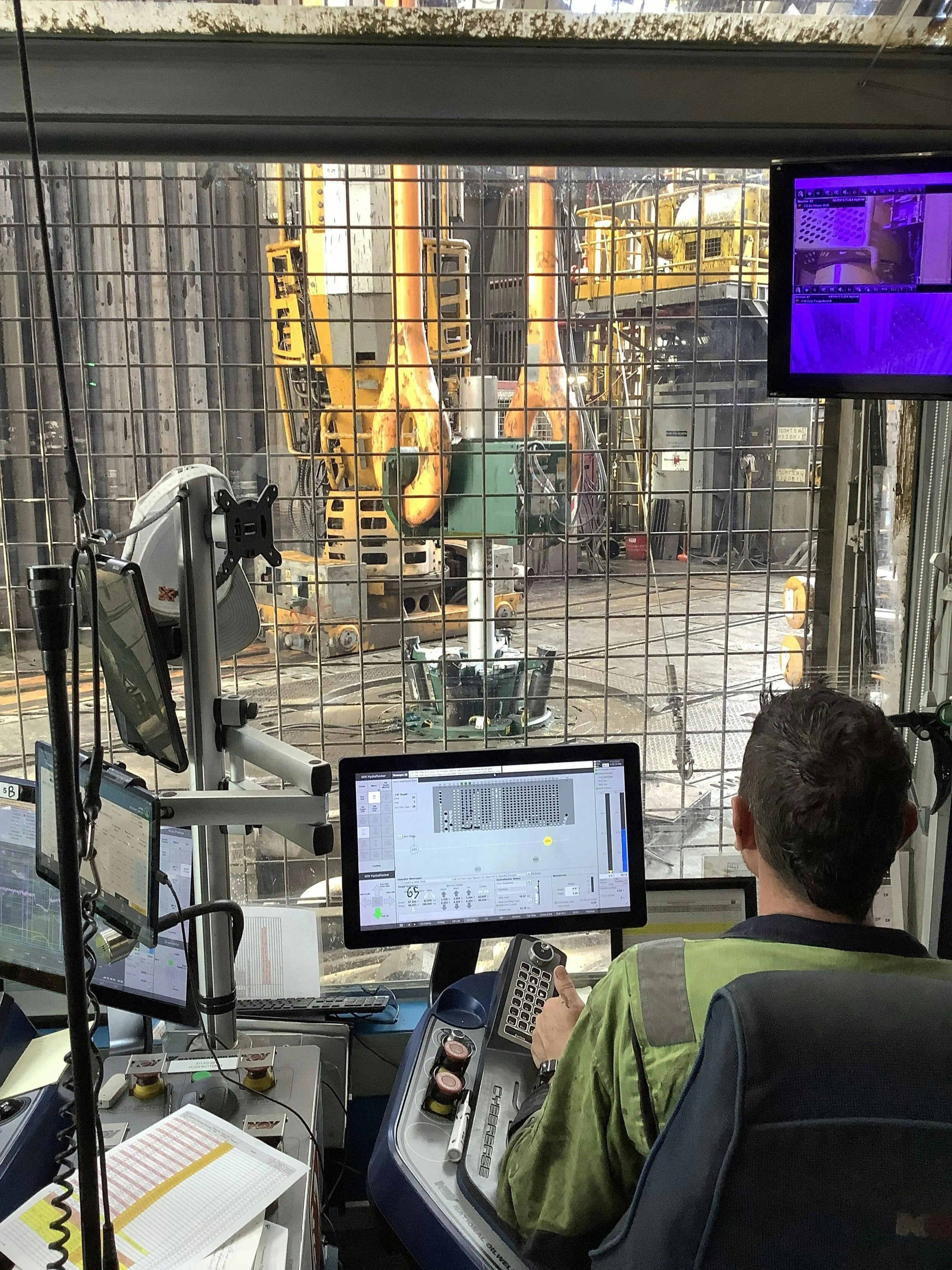
The testing regimen included shear testing, which ensured the pipe body and slip-proof sections could be cleanly sheared by BOP systems, with samples designed to represent worst-case scenarios.
Friction weld strength was verified to exceed the tensile strength of the tube, ensuring structural reliability.
Finite element analysis (FEA) was used to optimize make-up torque and bevel geometry for critical components, including the NC70 API connection. This analysis confirmed stress levels in the connection remained within safe limits under maximum load conditions.
Combined load testing simulated simultaneous tension (3 million lbs) and internal pressure (10,000 psi) using a custom-built test frame. A 10,000-psi design pressure was sufficient for the drilling and casing operations. Successful load retention validated the structural and seal integrity of the landing string.
Detailed slip-crush testing assessed slip system capabilities with multiple load scenarios and FEA designed strain gauge pattern, confirming that stress levels remained well below the material’s yield strength.
Conclusion
The finalized landing string system, which is the highest capacity purpose-built landing string ever manufactured, offers a tensile capacity of 2.95 million lbs at 95% remaining body wall.
The system also includes:
- A 6.625-inch OD tube body with a wall thickness of 1.093 inches;
- 165-ksi SMYS grade material;
- A slip-proof section with enhanced resistance to crushing, featuring a 6.938-inch OD and 1.719-inch wall thickness, constructed from 145-ksi material designed for shearability; and
- API NC70 connections that balance tensile strengths, MUT ranges and sealability.
Complete integration with existing handling systems reduces the need for extensive rig modification. This system meets the demands of the specific 20k development project as well as establishes an advancement in landing string technology, setting new standards for future HP/HT applications.
This article is part of Offshore's 2026 Gulf of Mexico Regional Report.
About the Author
 Leianne Sanclemente
Leianne Sanclemente
Leianne Sanclemente is SVP of technology at Superior Energy Services, a position she has held since December 2024. Previous roles include completion and drilling engineer at Chevron, bp and Standard Oil Co. She has a bachelor's degree in petroleum engineering from The University of Tulsa.
Sanclemente is based in Houston.
Related
